
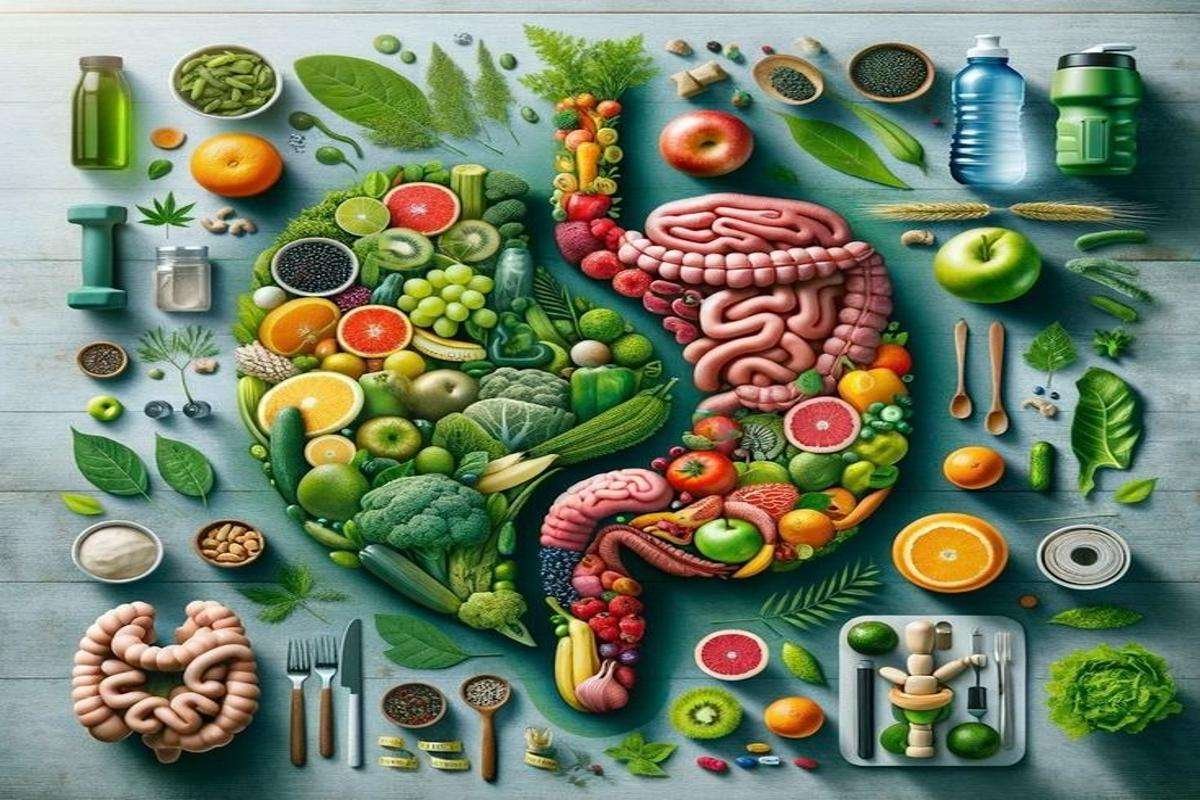
Your digestive system does much more than just process food. It plays a key role in immunity, metabolism, hormone balance, and even mental well-being. When your gut is functioning well, your body absorbs nutrients efficiently and maintains a healthy balance of good bacteria. However, when this balance is disturbed, several gut health symptoms can begin to show up.
Many people tend to ignore these early warning signs and continue with lifestyle habits that may worsen the condition over time. This is where a timely gut health reset becomes important. Addressing these issues early can prevent long-term complications and improve overall health. Consulting the best dietician in India can also help identify the root cause and guide you toward the best diet for gut health.
Understanding the signs of poor gut health is the first step toward improving digestion and restoring balance.
Why Gut Health Is Important
The gut is often referred to as the body’s “second brain” because of its strong connection to the nervous system. The digestive tract contains trillions of bacteria that form the gut microbiome. These bacteria help in breaking down food, absorbing nutrients, producing essential vitamins, and protecting the body from harmful pathogens.
When the gut microbiome is balanced, digestion becomes smooth and efficient. However, factors like stress, poor eating habits, lack of sleep, and excessive consumption of processed foods can disrupt this balance. As a result, unhealthy gut symptoms may start appearing.
Poor gut health does not just affect digestion—it can impact immunity, energy levels, skin health, and even mood. This makes it essential to focus on improving gut health through proper diet and lifestyle.
Common Signs Your Gut Needs a Reset
1. Frequent Bloating and Gas
One of the most noticeable gut health symptoms is frequent bloating. While occasional bloating is normal, persistent bloating may indicate that your digestive system is not functioning properly. This often happens when food is not broken down efficiently, leading to fermentation in the gut and gas production.
Over time, this can cause discomfort, heaviness, and abdominal swelling. These are clear signs that your body may benefit from a gut health reset.
2. Constipation or Irregular Bowel Movements
Irregular bowel movements are another common sign of poor gut health. A healthy digestive system should allow smooth and regular elimination. However, constipation, diarrhea, or inconsistent patterns may indicate an imbalance in the gut microbiome.These issues are often linked to low fiber intake, dehydration, or poor dietary habits. Improving your gut health diet can help regulate digestion and support better bowel movements.
3. Food Intolerances
If you notice discomfort after eating certain foods, it could be a sign of food intolerance. This happens when the digestive system struggles to break down specific nutrients properly.Unlike allergies, food intolerances are usually related to poor digestion. Over time, this can lead to bloating, nausea, and fatigue. Following the best diet for gut health can help improve tolerance and support digestion.
4. Persistent Fatigue
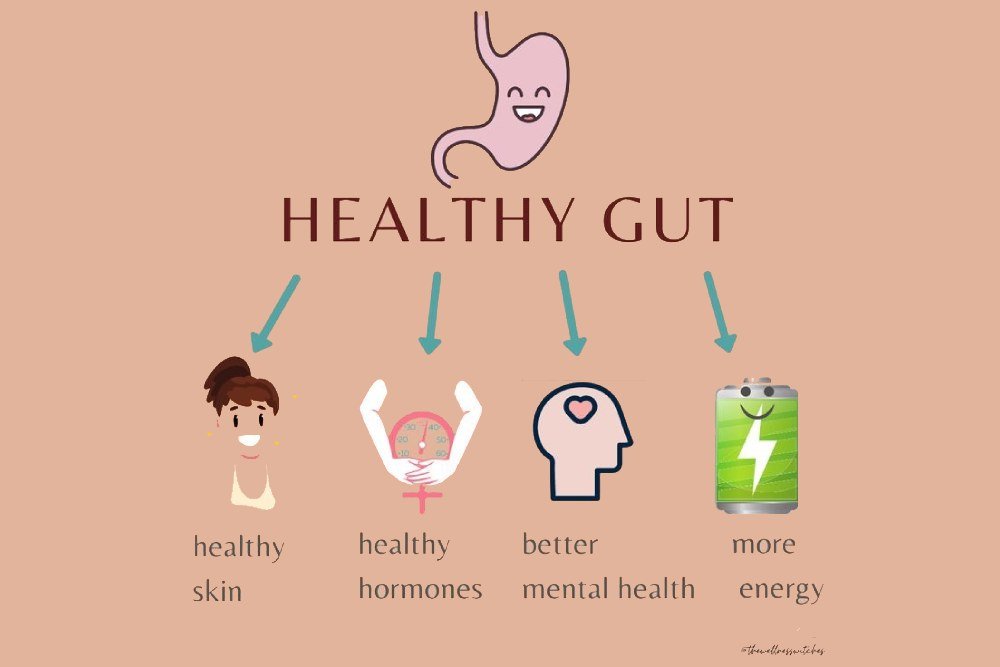
Low energy levels are not always due to lack of sleep. Poor gut health can also affect how your body absorbs nutrients. When nutrient absorption is compromised, it can lead to fatigue and reduced energy levels.
A proper gut health reset can help improve nutrient absorption and support sustained energy throughout the day.
5. Skin Issues
Skin problems like acne, dullness, or irritation can often be linked to unhealthy gut symptoms. When the gut is imbalanced, toxins may circulate in the body and affect the skin.
Improving gut health through diet can help reduce inflammation and promote clearer skin.
6. Sugar Cravings
Frequent cravings for sugar may be linked to an imbalance in gut bacteria. Certain harmful bacteria thrive on sugar, which can increase cravings and make it harder to maintain a balanced diet.
Reducing sugar intake and focusing on a gut health diet can help restore balance.
7. Weak Immunity
A major part of the immune system is connected to the gut. When gut health is compromised, the body may become more prone to infections and illnesses.
Supporting gut health through proper nutrition can strengthen immunity and improve overall health.
8. Mood Changes and Brain Fog
The gut and brain are closely connected. When gut health is affected, it can influence mood, focus, and mental clarity. Many people experience anxiety, irritability, or brain fog as part of gut health symptoms.
Improving gut health can help enhance mental well-being.

How to Improve Digestion and Reset Your Gut
Improving digestion requires a combination of dietary and lifestyle changes. A gut health reset focuses on restoring balance in the gut microbiome and supporting digestive function.
One of the most effective ways to do this is by increasing the intake of fiber-rich foods. Fiber helps nourish beneficial bacteria and supports smooth digestion. Including a variety of fruits, vegetables, whole grains, and legumes in your diet can significantly improve gut health.
Probiotic-rich foods such as yogurt and buttermilk help introduce good bacteria into the digestive system. These foods support microbial balance and improve digestion. At the same time, reducing processed foods and refined sugars is important, as they can disrupt the gut microbiome.
Hydration also plays a key role in digestion. Drinking enough water helps in nutrient absorption and prevents constipation. Along with this, managing stress through relaxation techniques can positively impact gut health.
By making consistent changes in diet and lifestyle, it is possible to gradually improve digestion and restore balance.
Best Diet for Gut Health
Following the best diet for gut health involves choosing foods that support digestion and nourish beneficial bacteria. A balanced gut health diet should include whole, natural foods that are rich in nutrients.
Fiber-rich foods help promote healthy digestion and support the growth of good bacteria. Fermented foods provide probiotics that maintain microbial balance. Healthy fats and adequate protein also contribute to overall digestive health.
Avoiding excessive consumption of processed foods, sugary snacks, and artificial additives is equally important. These foods can disrupt the gut microbiome and lead to unhealthy gut symptoms.
Consistency is key when it comes to diet. Small, sustainable changes can lead to long-term improvements in gut health.
Conclusion
The body often gives subtle signals when something is not right, and the digestive system is no exception. Recognizing the signs of poor gut health early can help prevent more serious issues in the future.
A well-planned gut health reset, combined with the best diet for gut health, can significantly improve digestion, energy levels, and overall well-being. By making mindful choices and focusing on gut health, it is possible to achieve long-term health benefits.
FAQ’s
Transform your plate, energy, and life with guidance from a dedicated dietician and nutritionist who truly understands your body.