
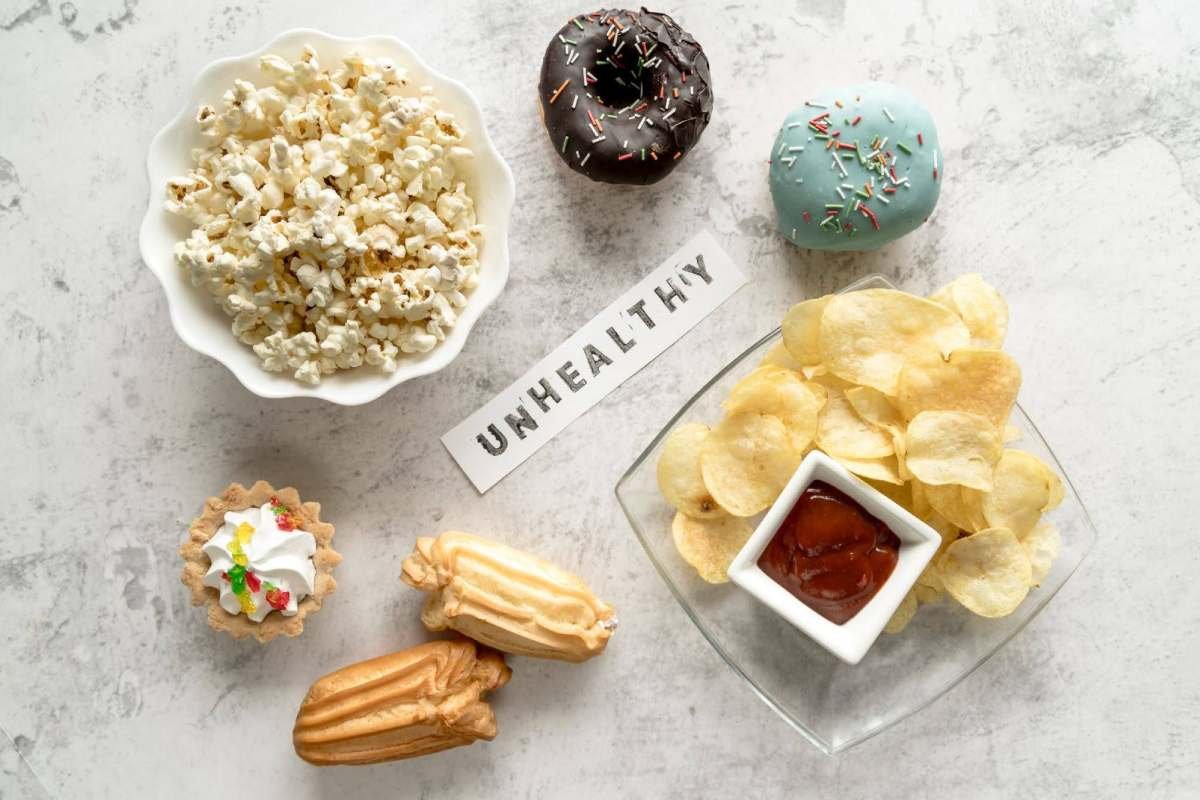
You might think that cutting out chocolates, cakes, and soft drinks is basically all you need to lower your sugar intake. But the truth is often kind of surprising, maybe even a little annoying. A lot of foods with hidden sugar seem to show up in kitchens every day, even those items that people usually call “healthy”. From breakfast cereals to flavored yogurt and ready-made sauces, sugar is frequently there where you least expect it.
This hidden sugar can quietly increase your daily sugar intake without you even realizing it. Over time, consuming too much added sugar may contribute to weight gain, unstable blood sugar levels, increased cravings, fatty liver, poor gut health, and a higher risk of lifestyle diseases such as diabetes and heart disease. If you’re looking to make healthier food choices, consulting the best nutritionist in India for weight loss can help you identify hidden sources of sugar and create a balanced, sustainable eating plan.
The good news is that you don’t actually have to eliminate every enjoyable food from your diet. The first step, is just learning where sugar hides and figuring out how to make informed choices, in a more mindful way. Once you know what you’re looking for, eating healthier becomes a lot simpler, too.
Ready to Cut Hidden Sugar from Your Diet?
What Is Hidden Sugar?
Hidden sugar is basically sugar that gets put into foods during processing, but it doesn’t always seem obvious to people buying it. A lot of folks kind of link sugar only to desserts, or those sweet snacks. But in reality , manufacturers often fold sugar into many different items, not just for flavor, also for texture, keeping it fresh longer, and sometimes even to make it look more appealing.
At times, the packaging kind of pushes the idea that something is “healthy” , “multigrain” , “low fat” or “natural” . That wording can make it feel like it’s truly nourishing, right. Still, these “better” products can end up containing pretty noticeable amounts of added sugar , even if you didn’t expect it.
That’s why learning about hidden sugar in foods that sound healthy is really important. Even things that feel wholesome can end up contributing a lot to your everyday sugar intake.
Why Does Hidden Sugar Matter?
Your body naturally needs carbohydrates for energy, and naturally occurring sugars found in fruits, vegetables, and milk come with fibre, vitamins, minerals, and antioxidants that support good health.
Added sugars are different. They provide calories without offering much nutritional value. Eating excessive added sugar regularly can lead to
- Frequent hunger and cravings
- Energy crashes during the day
- Difficulty managing weight
- Increased abdominal fat
- Poor dental health
- Higher risk of insulin resistance and Type 2 diabetes
- Elevated triglycerides and heart disease risk
Many people believe they consume very little sugar because they rarely eat desserts. However, foods that contain hidden sugar often contribute much more than expected.
Common Foods with Hidden Sugar
Let’s take a closer look at everyday foods that may be adding more sugar to your diet than you realize.
1. Breakfast Cereals
Breakfast cereals are kind of often advertised as being high in fibre, or sort of fortified with vitamins ,and minerals. But still, a lot of varieties end up having several teaspoons of added sugar in just one serving, which is a bit… yeah, not ideal.
Like, chocolate cereals, honey-coated flakes, granola clusters and even certain muesli blends can end up bringing along pretty significant sugar amounts. Children are especially vulnerable since colourful packaging usually makes these products look healthy , when they’re not really.
So instead, go for plain oats , unsweetened muesli, or homemade granola ,and then you can mix in fresh fruits, nuts, or seeds for that natural sweetness.
2. Flavoured Yogurt
Plain yogurt is a really good source of protein, calcium, and probiotics, so it can be a smart everyday choice. Still, the flavoured kind sometimes includes surprising amounts of added sugar, mainly to boost its taste, or make it more palatable.
Quite a few fruit-flavoured yogurts end up with nearly as much sugar as a dessert. Instead, a more sensible plan is to get plain Greek yogurt and then add fresh berries, chopped fruit, a pinch of cinnamon, or even some nuts by yourself.
3. Packaged Fruit Juices
Fruit juice is often looked at as pretty healthy, because it comes from fruit. But, unfortunately many packaged juices include concentrated fruit juice, plus added sugar, or other sweetening agents too.
Even 100% fruit juice can still miss the fibre you get from whole fruits, so it becomes easier to eat bigger amounts of sugar in a short time.
Going with whole fruits instead, you get that fibre, your fullness tends to last longer, and it can help with more steady blood sugar control, honestly.
4. Tomato Ketchup and Sauces
Tomato ketchup pasta sauces, barbecue sauces, pizza sauces, and ready made cooking sauces are like classic, sneaky reservoirs of sugar. Sugar is often put in to mellow out the acidity and make the flavour feel more “complete”. If you only use a little here and there it usually isn’t a big problem, but eating it often can quietly jack up your daily sugar intake a lot.
A better option is to make plain homemade sauces yourself with fresh tomatoes, herbs, garlic and spices, honestly it tends to be a healthier alternative.
5. Salad Dressings
Many bottled salad dressings contain sugar alongside refined oils and preservatives.
Ironically, adding these dressings to a healthy salad may increase calories and sugar considerably.
Instead, prepare fresh dressings using olive oil, lemon juice, curd, herbs, mustard, and black pepper.
6. Protein Bars and Energy Bars
Not all protein bars are created equal. While some provide balanced nutrition, others resemble candy bars with added protein.
Many commercial bars contain glucose syrup, honey, brown rice syrup, invert syrup, or sugar alcohols.
Always compare labels instead of relying solely on marketing claims.
7. Low-Fat Products
One of the biggest examples of hidden sugar in healthy foods is low-fat products.
When fat is reduced, manufacturers often compensate by adding sugar to improve flavour and texture. This includes low-fat yogurt, peanut butter, breakfast cereals, and snack bars.
In many cases, choosing the regular version in moderate portions may actually be more satisfying and nutritionally balanced.
8. Bread
Bread isn’t usually considered sweet, yet many packaged breads contain added sugar.
Whole wheat bread, brown bread, sandwich bread, burger buns, and even multigrain varieties may contain sugar to improve texture and shelf life.
Reading ingredient lists carefully can help you identify better options with minimal added sugar.
9. Flavoured Milk
Chocolate milk, vanilla milk, strawberry milk, and many ready-to-drink dairy beverages contain added sugar despite being promoted as nutritious.
Milk naturally contains lactose, so additional sugar is often unnecessary.
Plain milk with a pinch of turmeric, cardamom, or cocoa powder without added sugar can be a healthier alternative.
10. Packaged Smoothies
Smoothies sold in stores often contain fruit concentrates, sweetened yogurt, syrups, or added fruit purees.
Although they appear healthy, they may provide far more sugar than a homemade smoothie prepared with whole fruits, vegetables, protein, and healthy fats.

How to Identify Hidden Sugar in Food Labels
Learning to read food labels is one of the easiest ways to cut down on sugar, it sounds simple, but it really helps. Most times the front of the package draws you in with words like natural, high-fibre, low-fat, or healthy , though yeah, that’s not the real story. The useful info usually sits on the back, kind of quietly, and you have to look a little closer.
If you’re trying to spot the hidden sugar in food labels, begin with the ingredient list. Ingredients are written in descending order based on weight. So if sugar, or one of its alternatives shows up in the first few items, then it’s a strong sign the product has a noticeable amount in it. And watch for things that are basically sugar in disguise, even if the name sounds a bit different.
Next, check the nutrition panel for “Added Sugars”, if it’s there. Then compare similar items, not only what the package is trying to sell you, or the health claim it tries to impress you with. Two products might appear almost identical , but the amount of added sugar can be quite a bit lower in one of them.
Making label reading a small habit might take a few extra seconds while shopping. Still, those seconds can turn into a lasting impact on your health, over time..
Hidden Sugar Has Many Different Names
One reason hidden sugar is difficult to identify is because it is listed under many different names. Food manufacturers often use several types of sweeteners in the same product, making the sugar content seem less obvious.
Some common names include:
- Sucrose
- Glucose
- Fructose
- Dextrose
- Maltose
- Corn syrup
- High-fructose corn syrup
- Invert sugar
- Brown sugar
- Raw sugar
- Cane sugar
- Molasses
- Malt syrup
- Rice syrup
- Agave syrup
- Coconut sugar
- Honey
- Fruit juice concentrate
Even though some of these sound more natural, they are still forms of added sugar and should be consumed in moderation.
Hidden Sugars in Food List
Many people are surprised to discover how many everyday products contain added sugar. Here are some common products with hidden sugar that deserve a second look:
- Breakfast cereals and granola
- Flavoured yogurt
- Instant oatmeal packets
- Packaged fruit juices
- Energy drinks and sports drinks
- Tomato ketchup
- Pasta and pizza sauces
- Salad dressings
- Peanut butter
- Bread and burger buns
- Crackers
- Protein bars
- Granola bars
- Packaged smoothies
- Flavoured milk
- Instant soups
- Ready-to-eat meals
- Biscuits marketed as digestive or healthy
- Flavoured coffee drinks
- Packaged iced tea
This hidden sugars in food list doesn’t mean you should completely avoid these foods. Instead, it encourages you to compare brands, read labels, and choose options with less added sugar whenever possible.
Take Control of Your Sugar Intake Today
Healthy Foods Can Still Contain Hidden Sugar
One of the biggest misconceptions is thinking that every product tagged “healthy” is automatically nutritious, like it’s a guarantee or something. For instance granola gets treated as a wholesome breakfast , but some kinds have big amounts of honey , syrups, and also added sugars. In the same way flavoured Greek yogurt might have nearly the same sugar you’d expect in a dessert , even if it’s still packed with protein.
And then there are those packaged smoothies dried fruits that are glossed with sugar, instant protein drinks, and meal replacement shakes that can quietly add more sugar than you imagine. Knowing about concealed sugar in these foods helps you pick smarter, so you don’t fall for polished marketing talk.
Practical Ways to Reduce Hidden Sugar
- Reducing added sugar doesn’t mean your meals have to become bland or restrictive. Small, practical changes can make a noticeable difference over time.
- Choose whole fruits instead of fruit juices whenever possible. Whole fruits provide fibre, which slows sugar absorption and keeps you fuller for longer.
- Prepare simple meals at home more often. Homemade food gives you complete control over the ingredients and allows you to limit unnecessary sugar.
- Replace flavoured yogurt with plain yogurt and add fresh fruit, cinnamon, or chopped nuts for natural sweetness.
- Use homemade chutneys, mint yogurt dips, or fresh tomato salsa instead of packaged sauces whenever possible.
- When buying breakfast cereals, look for varieties with minimal added sugar and higher fibre content. Plain oats remain one of the best breakfast options.
- Avoid assuming that “low-fat” always means healthier. In many cases, these products compensate for reduced fat by adding extra sugar.
- If you enjoy something sweet after meals, choose naturally sweet foods like fresh fruit instead of processed desserts.
- Finally, remember that occasional treats are perfectly acceptable. The goal is not perfection but developing eating habits that you can maintain for years.

Balance Is Better Than Elimination
Completely avoiding sugar is neither realistic or even necessary for most people. Birthdays, festivals, family gatherings and celebrations are part of life, and food kinda plays an important role in these moments too.
The real worry is the sugar that quietly finds its way into your everyday meals, especially through packaged foods. When you get mindful about what you eat and you check for hidden sugar, you can make better choices without feeling like you’re being totally restricted.
Try to think about your overall eating pattern rather than treating just one meal or one snack like it’s the whole story. A balanced routine with plenty of vegetables, fruits, whole grains, pulses, good quality protein, healthy fats, and minimally processed foods, tends to naturally reduce your hidden sugar intake, while also supporting long term health.
If you are struggling with weight management, diabetes , PCOS, fatty liver, or those frequent sugar cravings, then personalised nutrition help can really make a difference. Speaking with the best nutritionist in India for weight loss can give practical strategies that match your lifestyle your health conditions and even your food preferences.
Conclusion
Hidden sugar isn’t limited to sweets and desserts. It is often present in foods we eat every day, including cereals, sauces, yogurt, bread, protein bars, and many products marketed as healthy.
Rather than fearing sugar, focus on becoming an informed consumer. Reading ingredient lists, understanding hidden sugar in food labels, choosing whole foods more often, and preparing simple meals at home are practical steps that can significantly reduce your intake of added sugar.
Healthy eating is not about strict rules or eliminating every favourite food. It is about making small, consistent choices that support your long-term well-being. The more aware you become of hidden sources of sugar, the easier it becomes to build a balanced lifestyle that supports your energy, weight, and overall health.
FAQ’s
Yes. Several hidden sugar in healthy foods examples include granola, flavoured yogurt, packaged smoothies, protein bars, low-fat products, and instant oatmeal. Although these foods may offer nutritional benefits, some varieties also contain significant amounts of added sugar.
Manufacturers often add sugar to improve taste, texture, shelf life, and appearance. This is why many products with hidden sugar include foods that don’t taste particularly sweet, such as sauces, bread, soups, dressings, and packaged snacks.
No. Eliminating all foods that contain hidden sugar is usually unnecessary. Instead, focus on eating mostly whole, minimally processed foods, reading labels carefully, and limiting products with high amounts of added sugar. Consistency and balance are more important than perfection.
Transform your plate, energy, and life with guidance from a dedicated dietician and nutritionist who truly understands your body.