
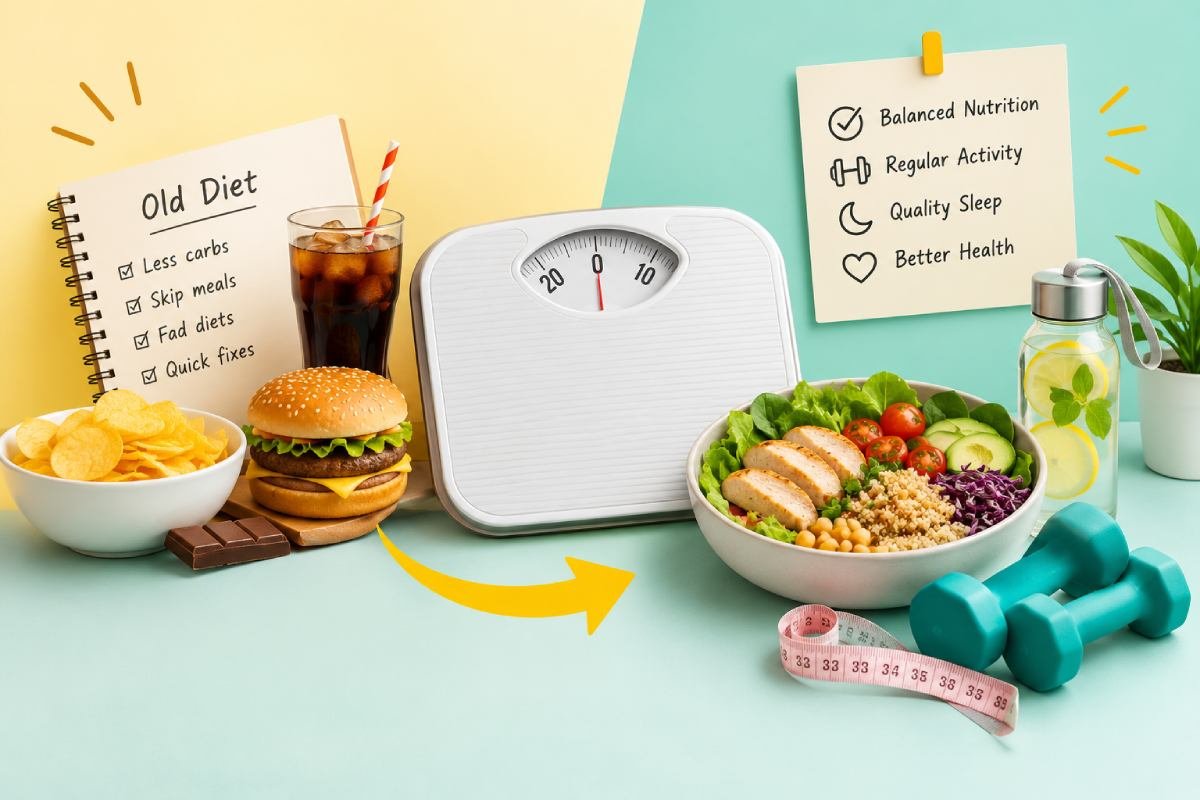
Have you noticed that the diet that helped you lose weight in your twenties does not seem to work the same way anymore? You may be eating similar meals, staying active and following your usual routine, yet the weighing scale barely moves. It can be frustrating, especially when you feel you are doing everything right. This is where consulting the best nutritionist in India for weight loss can help you understand your changing nutritional needs and find an approach that suits your body.
The truth is that weight loss after 30 can feel different, but it does not mean your body has stopped responding to healthy habits. Changes in muscle mass, daily activity, sleep, stress, hormones and lifestyle can all influence how your body manages weight.
The solution is not necessarily to eat less or exercise harder. Sometimes, it is about understanding what has changed and adjusting your approach accordingly.
Need a Diet Plan That Works for Your Lifestyle?
Why Does Weight Loss Feel Harder After 30?
Turning 30 does not suddenly slow your metabolism. However, the years around this age often bring changes in work, family responsibilities, sleep schedules and physical activity. These factors can gradually influence body weight.
Here are some reasons your previous diet may no longer deliver the same results.
1. You May Be Losing Muscle Mass
Muscle is metabolically active tissue, meaning it uses energy even when you are resting. Adults can gradually lose muscle mass when they are physically inactive, do not consume adequate protein or do not perform resistance training.
Because muscle mass influences energy expenditure, maintaining it becomes increasingly important as you age.
This does not mean you need an intense gym routine. Strength training two or three times a week, adjusted to your ability, along with adequate protein intake, can help support muscle maintenance.
2. Your Daily Movement May Have Decreased
Think about your routine in your twenties. You may have walked more, spent less time sitting or had fewer responsibilities that kept you at a desk.
Now, work meetings, commuting, household tasks and screen time may leave you sitting for much of the day.
Even if you exercise for 30 minutes, reduced movement during the remaining hours can affect your total daily energy expenditure.
Try incorporating short walks, taking the stairs when practical, standing between meetings and setting reminders to move regularly. Small changes can add up over time.
3. Your Sleep and Stress Levels May Have Changed
Busy schedules can make sleep feel like a luxury. Unfortunately, consistently inadequate sleep can influence appetite, food choices, energy levels and the ability to maintain healthy routines.
Stress can also affect eating behaviour. Some people experience increased cravings or emotional eating, while others skip meals and become excessively hungry later.
If you are struggling with losing weight after 30, look beyond your meals. Consider whether you are sleeping enough, managing stress and allowing yourself time to recover.
A sustainable weight-management routine should support your life rather than create another source of pressure.
4. Your Previous Diet May No Longer Match Your Needs
A diet that worked earlier may have depended on a different activity level, body weight or daily schedule.
For example, you may now need different portion sizes or a more structured meal routine. Alternatively, you may be eating too little during the day and compensating with frequent snacking at night.
Repeated crash diets can also make weight management harder to sustain by increasing hunger, reducing energy expenditure as body weight decreases and contributing to the loss
of lean tissue.
Instead of cutting calories drastically, review your current eating pattern and make adjustments based on your actual needs.
What Should Your Diet Look Like After 30?
An effective diet for weight loss after 30 should provide sufficient nutrition while supporting a manageable calorie deficit when weight loss is appropriate.
You do not need to eliminate rice, roti or your favourite foods. Focus on meal quality, portion balance and consistency.
1. Make Protein a Priority
Protein helps maintain muscle mass and can improve meal satisfaction. Including it regularly may make it easier to manage hunger throughout the day.
Indian protein sources include dal, rajma, chickpeas, sprouts, paneer, curd, milk, tofu, eggs, fish and lean meat.
For example, instead of eating only poha for breakfast, pair it with curd or another suitable protein source. At lunch, include dal, beans, paneer or another protein-rich food alongside your usual meal.
Your exact protein requirement depends on your body weight, activity level, health status and goals.
2. Do Not Fear Carbohydrates
Carbohydrates are not automatically responsible for weight gain. Total energy intake, food quality, activity and overall dietary patterns matter more than eliminating a single nutrient.
Rice, roti, oats, millets, potatoes and fruit can all fit into a balanced diet.
The key is to consider portions and combine carbohydrate sources with protein, vegetables and healthy fats. This creates more balanced meals and can help you feel satisfied.
3. Increase Fibre-Rich Foods
Vegetables, fruits, legumes and whole grains provide fibre, vitamins, minerals and other beneficial compounds.
Fibre-rich foods can help support digestive health and make meals more filling. Include a variety of seasonal vegetables, whole fruits, beans and lentils throughout the day.
If your current diet is low in fibre, increase it gradually and drink adequate fluids to reduce the likelihood of digestive discomfort.
4. Pay Attention to Cooking Methods and Portions
Healthy ingredients can still contribute to excess calorie intake when portions are consistently larger than your needs.
You do not need to weigh every bite, but it helps to become aware of cooking oil, dressings, fried snacks, sugary beverages and frequent unplanned eating.
Prefer home-cooked meals most of the time, use appropriate amounts of cooking oil and choose cooking methods such as steaming, grilling, roasting or sautéing when convenient.
The goal is not to make every meal low-calorie. It is to create an eating pattern that meets your nutritional needs while supporting your goal.
An Indian Diet for Weight Loss After 30
You can work towards weight loss without giving up traditional Indian meals. A thoughtfully planned Indian diet for weight loss after 30 can include familiar foods while providing adequate protein, fibre and essential nutrients.
Here is an example of how a day might look:
Breakfast: Moong dal chilla with curd, or vegetable poha paired with a protein source.
Mid-morning: A seasonal fruit or another snack based on your hunger.
Lunch: Two rotis or an appropriate portion of rice, dal or rajma, vegetables, salad and curd.
Evening snack: Roasted chana, buttermilk, yogurt or a small portion of nuts.
Dinner: Paneer, tofu, dal, eggs, fish or lean chicken with vegetables and roti or rice.
This is a general example, not a prescribed meal plan. Portions should reflect your individual energy needs, appetite, activity and health conditions.
If you follow a vegetarian diet, pay particular attention to including varied protein sources across the day.
Exercise Matters, But You Do Not Need to Overdo It
Many people respond to a weight-loss plateau by adding more cardio and eating less. While physical activity is valuable, pushing yourself harder is not always the answer.
A balanced exercise routine can include walking, resistance training and activities you genuinely enjoy.
Resistance training helps preserve or build muscle, while aerobic activity supports cardiovascular health and contributes to energy expenditure. Combining the two can be more useful than relying on one type of exercise alone.
Start with a realistic routine and increase the duration or intensity gradually. If you have a medical condition or have been inactive for a long time, seek appropriate guidance before beginning strenuous exercise.
Could Hormonal or Medical Factors Be Affecting Your Weight?
Sometimes, lifestyle changes alone do not explain difficulties with weight management.
Conditions such as hypothyroidism and polyendocrine Metabolic ovarian syndrome (PMOS), certain medications, sleep disorders and hormonal changes can influence body weight or make weight management more challenging.
However, difficulty losing weight does not automatically mean you have a hormonal imbalance.
If you experience unexplained weight changes, persistent fatigue, menstrual irregularities or other concerning symptoms, consult a healthcare professional for an appropriate assessment. Testing should be guided by your symptoms and medical history rather than a routine panel of unnecessary investigations.
Addressing an underlying condition, when present, can be an important part of an effective weight-management plan.
What Does a Balanced Diet for Weight Loss Look Like?
A balanced diet for weight loss is not about eating as little as possible. It is about getting the nutrients your body needs while managing overall energy intake.
A few practical habits can make this easier:
- Plan your meals: Having a rough meal schedule can reduce dependence on last-minute food choices.
- Include protein regularly: Add dal, beans, curd, paneer, tofu, eggs or other suitable sources to your meals.
- Eat vegetables and fruits daily: Choose a variety rather than relying on a single food.
- Stay hydrated: Drink water regularly and adjust intake according to your needs and activity.
- Prioritise sleep: Aim for seven to nine hours if you are an adult, where possible.
- Track progress beyond the scale: Energy, strength, waist measurements, sleep and consistency can also provide useful information.
You do not have to change everything at once. Start with one or two habits that fit your schedule and build from there.
Common Weight-Loss Mistakes to Avoid After 30
One common mistake is assuming that eating less will always produce better results. Severe calorie restriction can leave you tired, increase hunger and make it difficult to maintain muscle mass.
Another is relying on detox drinks, fat-burning supplements or diets that promise rapid results. These approaches are not substitutes for sustainable nutrition and physical activity.
It is also easy to overlook small, repeated habits, such as frequent sugary drinks, unplanned snacking or reduced daily movement. Rather than labelling individual foods as good or bad, look at your overall eating pattern.
Finally, avoid comparing your progress with someone else’s. Two people can follow similar routines and experience different results because of differences in body composition, health, medications, sleep and other factors.
The aim is to find an approach that works for your body and can be maintained over time.
Make Your Weight-Loss Approach Personal
There is no single diet that works for everyone after 30. Your needs depend on your current weight, activity level, food preferences, health conditions, sleep and lifestyle.
A personalised plan can help you understand your nutritional requirements, identify habits that may be holding you back and make realistic changes without unnecessary restrictions.
At Nutracy Lifestyle by Dr. Rohini Patil, the focus is on sustainable nutrition and lifestyle habits that fit into everyday life.
If you have been struggling to make progress despite consistent effort, consider seeking professional guidance instead of repeatedly switching between restrictive diets.
Final Thoughts
Weight loss after 30 does not have to mean stricter rules, smaller meals or longer hours at the gym. It may simply require a better understanding of your current needs.
Prioritise protein, eat balanced meals, maintain muscle through appropriate exercise, move regularly, manage stress and get enough sleep. If progress remains difficult or you have unexplained symptoms, seek professional assessment.
Your body may change over time, but your approach can change with it. Consistency, patience and realistic goals will take you further than another crash diet.
FAQ’s
Recent Posts
- Weight Loss After 30: Why Your Old Diet May Not Work Anymore
- The 90-Day Bridal Diet: What to Eat Before Your Wedding for Weight Loss, Energy and Glowing Skin
- Vegetarian Muscle-Building Diet: How to Hit Your Protein Goals Without Supplements
- How to Get Enough Protein on an Indian Vegetarian Diet
- Hypothyroidism and Weight Gain: Why Losing Weight Can Feel So Difficult
Transform your plate, energy, and life with guidance from a dedicated dietician and nutritionist who truly understands your body.