
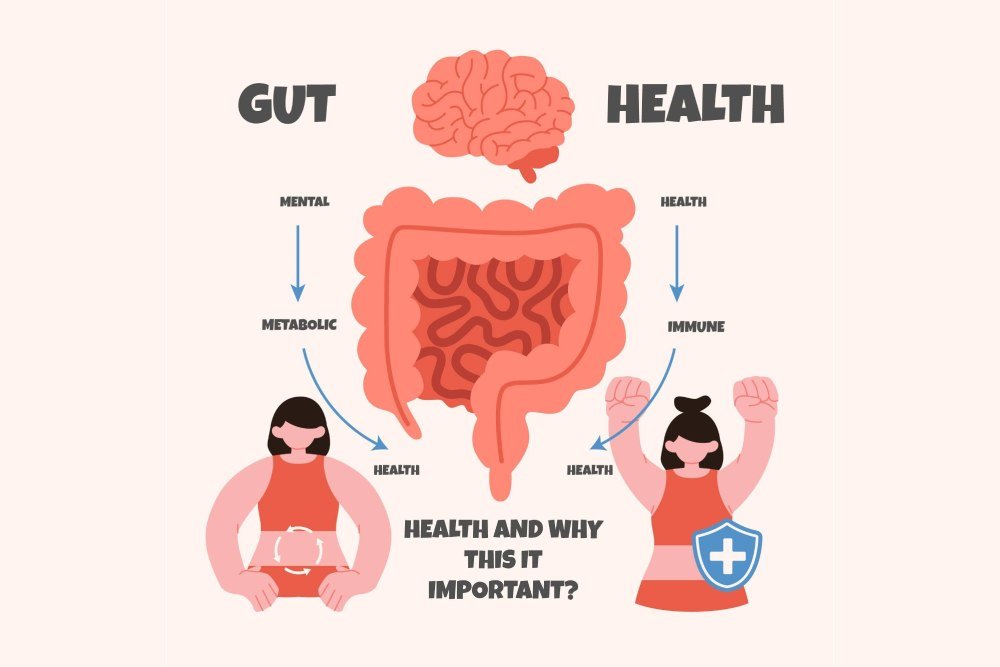
When we think about staying healthy, we often focus on calories, protein, or vitamins. However, one of the most important contributors to overall well-being is something we cannot even see—our gut microbiome. Trillions of bacteria live inside the digestive tract, and many of them play a vital role in keeping us healthy.
These beneficial bacteria help digest food, produce certain vitamins, support immunity, regulate inflammation, and even influence mood. As the best nutritionist in India often emphasizes, maintaining a balanced microbiome is essential for good gut health, while an unhealthy one can contribute to digestive discomfort, poor immunity, fatigue, and metabolic disorders.
The encouraging news is that you don’t need expensive supplements or complicated diets to support your gut. The food you eat every day has a powerful influence on the health of your gut bacteria.
Let’s explore how simple dietary choices can create a healthier digestive system from the inside out.
Your Gut Deserves the Right Nutrition
Digestive discomfort shouldn’t become your normal. Build a healthier gut with a personalized nutrition plan designed around your lifestyle and health goals.
Why Is Good Gut Health Important?
Your digestive system does much more than digest food. Around 70% of your immune system is closely linked to your gut, making digestive health an important part of overall wellness.
A healthy gut microbiome helps
- Improve digestion
- Enhance nutrient absorption
- Support a stronger immune system
- Reduce inflammation
- Maintain regular bowel movements
- Support healthy metabolism
- Influence mood and mental well-being through the gut-brain connection
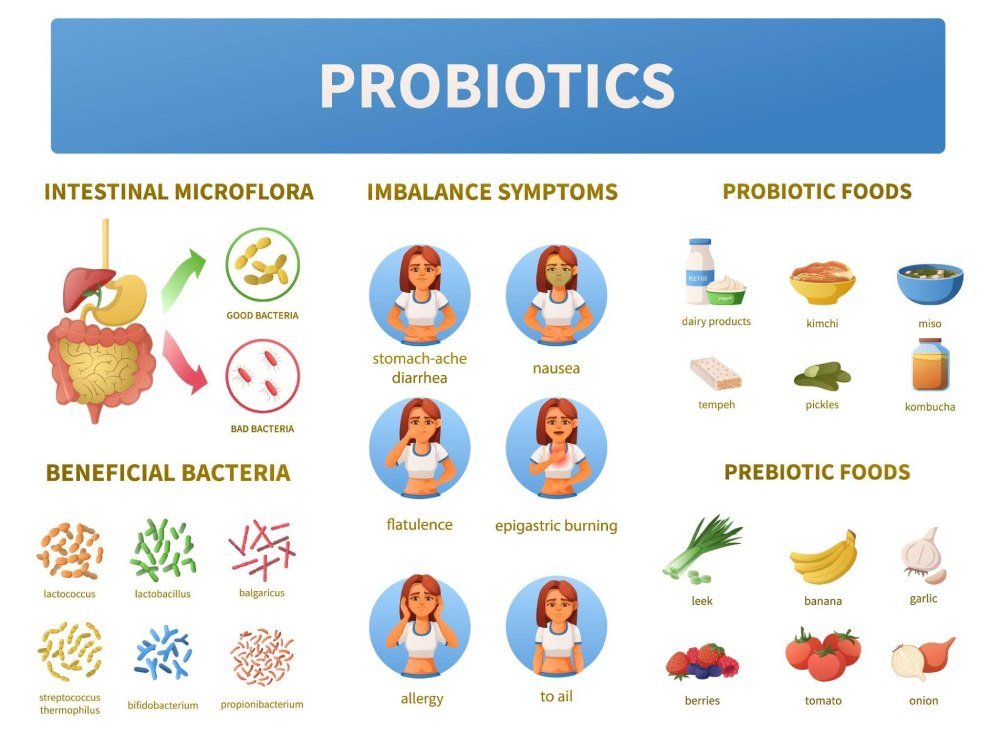
When the balance of gut bacteria is disturbed due to poor diet, stress, antibiotics, or lack of sleep, symptoms such as bloating, constipation, acidity, frequent infections, and low energy may appear.
This is why focusing on better gut health should be part of everyone’s wellness journey—not only those with digestive disorders.
What Do Good Gut Bacteria Eat?
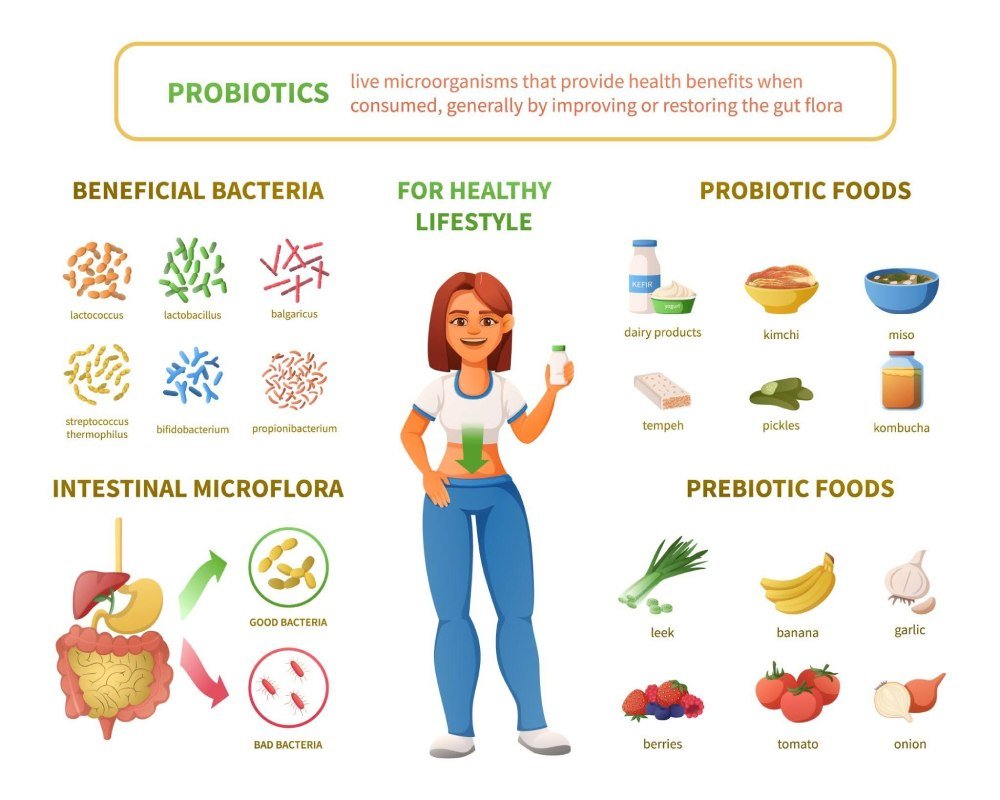
Beneficial bacteria thrive on dietary fibre and naturally occurring plant compounds known as prebiotics. These substances aren’t digested by humans but serve as nourishment for the healthy bacteria living in the intestine.
Think of your gut bacteria as a garden. The healthier the soil and the better the nutrients you provide, the stronger and more diverse your beneficial bacteria become.
A healthy gut diet isn’t about eating one superfood, it’s about consistently choosing a variety of nourishing foods.
Everyday Foods That Support Good Gut Health
1. Yogurt
One of the easiest foods to include is plain yogurt.
Yogurt naturally contains live cultures that help replenish beneficial bacteria in the digestive system. Regular consumption may improve digestion, support immunity, and reduce occasional digestive discomfort.
Choose plain, unsweetened yogurt instead of flavoured varieties that often contain added sugar.
For additional nutrition, pair yogurt with fresh fruits, seeds, or nuts.
2. Homemade Curd
In Indian households, homemade curd has been part of traditional meals for generations.
Fresh curd provides naturally occurring beneficial bacteria that help maintain digestive balance. It also provides protein and calcium, making it an excellent addition to lunch or dinner.
Having a bowl of homemade curd with meals is a simple habit that contributes to better gut health.
3. Fermented Foods
Fermentation naturally increases beneficial microorganisms in foods.
Examples include
- Idli
- Dosa
- Kanji
- Fermented rice
- Homemade pickles prepared traditionally
- Kefir (if available)
These foods introduce helpful bacteria while also improving digestion and nutrient availability.
4. Bananas
Bananas are rich in prebiotic fibres that nourish healthy bacteria already living in your gut.
They are also gentle on digestion, making them suitable for people recovering from digestive upset.
A banana paired with peanut butter or yogurt makes an excellent gut-friendly snack.
5. Garlic
Garlic is widely known for its medicinal properties, but it also acts as a natural prebiotic.
The compounds found in garlic help beneficial bacteria flourish while supporting immune health.
Adding fresh garlic to dals, vegetables, soups, and curries is an easy way to improve your healthy gut diet.
6. Onions
Like garlic, onions contain prebiotic fibres that support the growth of healthy bacteria.
Whether eaten raw in salads or cooked in meals, onions contribute to a diverse gut microbiome while adding flavour without extra calories.
7. Cooked and Cooled Rice
Cooked and cooled rice is an excellent source of resistant starch, a type of carbohydrate that escapes digestion in the small intestine and reaches the colon, where it serves as food for beneficial gut bacteria.
You don’t have to eat cold rice. Once cooked rice has been cooled, it can be gently reheated while still retaining a portion of its resistant starch. This makes it a practical addition to a healthy gut diet, especially when paired with dal, vegetables, or curd.
8. Apples
You’ve probably heard the saying, “An apple a day keeps the doctor away.”
Apples contain pectin, a type of soluble fibre that acts as food for beneficial gut bacteria.
Eating apples with the skin provides even more fibre and supports healthy digestion.
9. Legumes
Beans, lentils, chickpeas, and rajma are among the best plant-based foods for gut health.
Their combination of fibre, resistant starch, and plant protein supports bacterial diversity while keeping you fuller for longer.
Including legumes at least four to five times a week can positively influence the gut microbiome.
10. Leafy Green Vegetables
Spinach, fenugreek leaves, amaranth, mustard greens, and other leafy vegetables are rich in fibre, antioxidants, and natural compounds that support healthy bacteria.
Aim to include at least one serving of leafy greens every day as part of your meals.
11. Nuts and Seeds
A handful of nuts and seeds each day can do more than provide healthy fats—they also support your gut microbiome. Almonds, walnuts, flaxseeds, chia seeds, pumpkin seeds, and sunflower seeds contain fibre, antioxidants, and plant compounds that encourage the growth of beneficial bacteria.
Instead of reaching for processed snacks, try a small handful of mixed nuts or sprinkle seeds over salads, curd, or smoothies. These simple additions can make your meals more nourishing while supporting good gut health.
12. Colourful Fruits and Vegetables
Nature has already provided one of the best recipes for a healthy gut—a colourful plate.
Different coloured fruits and vegetables contain unique antioxidants and polyphenols that beneficial gut bacteria love. These compounds help increase the diversity of your gut microbiome, which is closely linked to better digestion and overall health.
Aim to “eat the rainbow” by including foods such as berries, oranges, pomegranates, carrots, beetroot, capsicum, tomatoes, broccoli, and purple cabbage throughout the week.
The more variety your plate has, the happier your gut bacteria will be.
13. Whole Grains
Whole grains like jowar, bajra, ragi, whole wheat, brown rice, and barley provide dietary fibre that feeds beneficial bacteria.
Unlike refined grains, whole grains retain their bran and germ, making them richer in nutrients that support digestion.
Rotating different grains instead of relying on just one type can help improve microbial diversity and contribute to better gut health.
14. Herbs and Spices
Indian kitchens are filled with ingredients that naturally support digestive health.
Ginger helps ease nausea and supports digestion. Turmeric contains curcumin, known for its anti-inflammatory properties. Cumin, coriander, fennel, and mint are also traditionally used to improve digestion and reduce bloating.
Although used in small amounts, these herbs and spices can contribute positively to a healthy gut diet when included regularly in home-cooked meals.
Foods That May Disrupt Your Gut Microbiome
While adding gut-friendly foods is important, reducing foods that negatively affect beneficial bacteria is equally valuable.
Try limiting:
- Ultra-processed foods
- Sugar-sweetened beverages
- Excess packaged snacks
- Highly refined bakery products
- Frequent fast food
- Excessive alcohol consumption
- Artificially sweetened beverages (when consumed regularly)
Occasional treats are perfectly fine. The goal is to maintain balance rather than striving for perfection.
Lifestyle Habits That Support Gut Health
Food is only one part of the picture. Your daily habits also influence your gut microbiome.
Some simple ways to improve gut health include
- Eat meals at regular times.
- Stay physically active.
- Drink enough water throughout the day.
- Prioritise 7–8 hours of quality sleep.
- Manage stress through meditation, yoga, breathing exercises, or hobbies.
- Avoid unnecessary antibiotic use unless prescribed by your doctor.
- Spend time outdoors and maintain an active lifestyle.
Small habits practised consistently often have a greater impact than dramatic dietary changes.
Do You Need Probiotic Supplements?
Many people wonder whether they should take supplements marketed as the best probiotic for gut health and bloating.
The answer depends on the individual.
For healthy individuals, a balanced diet rich in fibre and naturally fermented foods is often sufficient to maintain a healthy gut microbiome.
However, probiotic supplements may be recommended in specific situations, such as after a course of antibiotics, during certain digestive disorders, or under the guidance of a healthcare professional.
Rather than choosing products based on advertisements claiming to be the best gut health probiotics, it is always advisable to seek personalised advice. Different probiotic strains have different functions, and not every supplement suits everyone.
Small dietary changes today can transform your digestion, energy levels, and overall well-being for years to come.
Small Changes Create Lasting Results
Improving your gut health doesn’t require an expensive diet or exotic ingredients. In fact, some of the best foods for your gut may already be in your kitchen.
Adding homemade curd, seasonal fruits, vegetables, legumes, whole grains, garlic, onions, nuts, seeds, and fermented foods to your meals consistently can nourish your beneficial gut bacteria over time.
Remember, gut health is built through everyday habits—not quick fixes.
If you’re dealing with persistent bloating, constipation, acidity, IBS, food intolerances, or recurring digestive discomfort, seeking guidance from the nutritionist can help identify the root cause and create a personalised nutrition plan that supports your digestive health and overall well-being.
Conclusion
Your gut microbiome plays a central role in digestion, immunity, metabolism, and even mental health. The foods you choose every day directly influence the balance of beneficial bacteria living inside your digestive system.
Fortunately, supporting good gut health doesn’t require restrictive eating or expensive supplements. Simple choices like including homemade curd, fermented foods, legumes, colourful vegetables, fruits, whole grains, nuts, seeds, and traditional Indian ingredients can make a meaningful difference over time.
Rather than searching for a single “superfood,” focus on eating a wide variety of minimally processed foods and maintaining healthy lifestyle habits. Consistency is what helps build a thriving gut microbiome and supports long-term wellness.
FAQ’s
Foods that support good gut health include homemade curd, yogurt, fermented foods, legumes, fruits, leafy vegetables, garlic, onions, whole grains, nuts, and seeds. Eating a wide variety of fibre-rich foods helps nourish beneficial gut bacteria and supports healthy digestion.
A healthy gut diet focuses on minimally processed foods, plenty of vegetables, fruits, pulses, fermented foods, whole grains, healthy fats, and adequate hydration. Including different plant-based foods each week helps maintain a diverse and balanced gut microbiome.
Some effective ways to improve gut health include eating more dietary fibre, consuming fermented foods regularly, drinking enough water, managing stress, exercising consistently, getting quality sleep, and limiting highly processed foods rich in added sugars and unhealthy fats.
Transform your plate, energy, and life with guidance from a dedicated dietician and nutritionist who truly understands your body.