

Living with hypothyroidism can feel overwhelming. Fatigue that doesn’t go away, unexplained weight gain, hair fall, mood changes, bloating—many thyroid patients experience these daily, even while taking medication. One of the most common questions I hear as a dietician for hypothyroidism is
“What is the best diet for thyroid?”
The honest answer is this:
Medication is essential, but nutrition determines how well your body responds to that medication.
A well-planned diet doesn’t replace treatment—but it can significantly improve energy levels, metabolism, digestion, and overall quality of life. The right foods support thyroid hormone production, conversion, and absorption, while the wrong ones can slow everything down.
This blog breaks down the best foods for hypothyroidism, explains why they work, and offers realistic thyroid nutrition tips that fit into everyday Indian lifestyles.
Why Diet Plays a Crucial Role in Hypothyroidism
The thyroid gland controls metabolism, body temperature, digestion, heart rate, and even mental clarity. When thyroid hormone levels are low, every system in the body slows down.
A poor diet can
- Worsen fatigue
- Increase inflammation
- Disrupt gut health
- Interfere with thyroid hormone absorption
On the other hand, the best diet for thyroid health focuses on
- Adequate iodine, selenium, zinc, iron, and protein
- Anti-inflammatory foods
- Blood sugar balance
- Strong digestive and gut health
This is why a personalized diet plan for thyroid patient works far better than generic internet advice.
Top 10 Thyroid-Friendly Foods
When someone is diagnosed with hypothyroidism, food often becomes confusing. Patients are told to “eat healthy,” but very few are told what that actually means for thyroid function. Over the years, while working as a thyroid dietitian in India, I’ve seen that the best diet for hypothyroidism is not restrictive—it’s supportive, consistent, and realistic.
Certain foods quietly help the thyroid work better by supporting hormone production, conversion, and absorption. Below are some of the most reliable thyroid-friendly foods I regularly recommend as part of a long-term diet plan for thyroid patient.
Eggs are one of the most underrated foods when it comes to thyroid health. They naturally provide high-quality protein along with selenium, iodine, and healthy fats—nutrients that work together to support thyroid hormone production. Selenium is especially important because it helps convert inactive T4 hormone into active T3, which is what your body actually uses. The protein in eggs supports metabolism and muscle mass, both of which tend to decline in hypothyroidism. Healthy fats further assist overall hormone balance. If there are no cholesterol-related restrictions, whole eggs are generally preferable, as the yolk contains most of these nutrients.
Brazil nuts are another food I often suggest, but with very clear limits. They are among the richest natural sources of selenium, and selenium deficiency is extremely common in thyroid patients. Adequate selenium intake helps reduce thyroid inflammation and supports the enzymes responsible for hormone conversion. However, this is a case where more is not better. Just one or two Brazil nuts per day are enough to meet selenium needs safely.
Fatty fish such as salmon, sardines, and mackerel often come up when we talk about inflammation, but they matter just as much for thyroid health. In real life, many people with hypothyroidism complain of low energy, foggy thinking, or mood changes, even when their reports look “normal.” Omega-3 fatty acids and vitamin D from fatty fish help calm inflammation and support immune balance, which is why they fit well into the best diet for thyroid health. Over time, regular intake can help with insulin sensitivity, autoimmune inflammation, and even mental clarity. I’ve seen many patients feel a clear difference when these fish are included a few times a week, rather than occasionally.
Dairy products like milk, curd, yogurt, and paneer tend to create confusion for thyroid patients. When chosen carefully, they can actually be supportive. They naturally provide iodine, calcium, protein, and probiotics. Iodine supports thyroid hormone synthesis, while probiotics improve gut health and digestion—something that is often ignored in thyroid management. Since thyroid hormone absorption happens in the gut, digestive health cannot be separated from thyroid health. Plain, unsweetened dairy products work best, while sweetened or flavored versions tend to worsen sugar spikes and inflammation.
Iodized salt also deserves a balanced approach. Iodine is essential for thyroid hormone production, and avoiding iodized salt completely can increase the risk of deficiency. At the same time, excessive iodine intake can worsen thyroid issues. This is not about removing salt or adding more of it, but about mindful moderation in daily cooking, which is usually enough for most people.
Pumpkin seeds look simple, but nutritionally they are quite useful. They are rich in zinc, a mineral needed for proper thyroid hormone metabolism. Zinc also supports immune function and plays a role in skin and hair health, which is why many thyroid patients notice hair fall when levels are low. Even a small daily portion can help, especially when recovery feels slow.
Lentils and legumes remain one of the most practical foods for thyroid patients, especially in Indian diets. They provide plant-based protein, iron, and fiber, all of which support energy and digestion. Fiber helps gut function, while iron and protein help reduce fatigue. Preparation matters more than people think—soaking and pressure-cooking lentils improves nutrient absorption and makes them easier on the stomach.
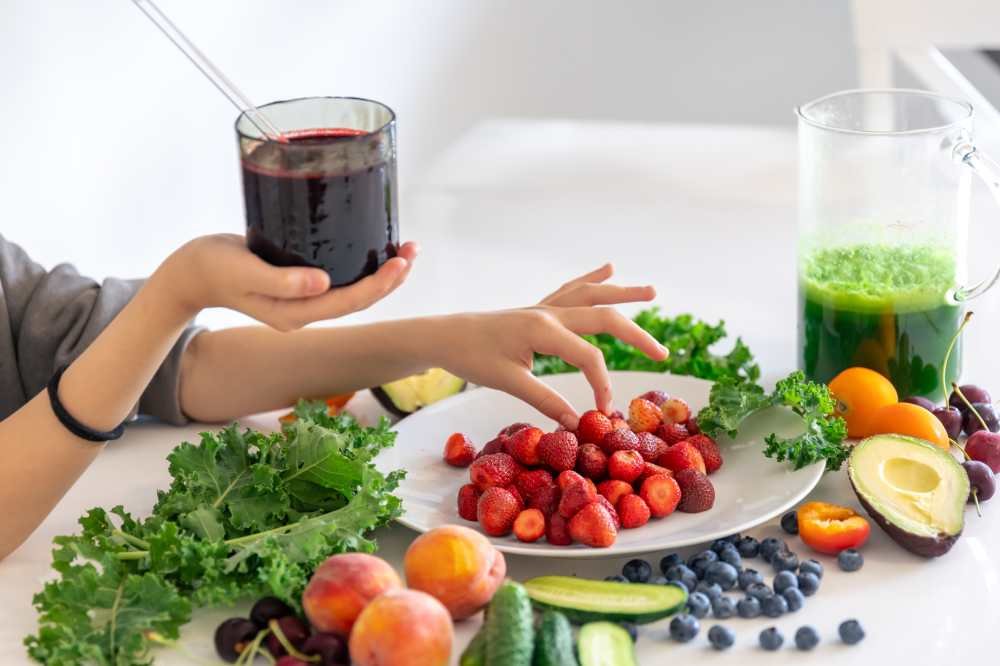
Berries may not be traditional in every diet, but they add real value. They are rich in antioxidants that help reduce oxidative stress, which is commonly higher in hypothyroidism. Regular intake supports immunity, gut health, and inflammation control, which is why berries fit well into a diet plan for thyroid patient without complicating the meal plan.
Cruciferous vegetables such as broccoli, cabbage, and cauliflower are often misunderstood. These vegetables are not harmful when prepared correctly. Cooking reduces goitrogenic compounds while preserving fiber and antioxidants. When eaten cooked and in reasonable portions, they are safe and nutritious for thyroid patients. Excessive raw intake is what should be avoided.
Bone broth can be particularly beneficial for people experiencing digestive problems, joint pain, or chronic inflammation. A healthy gut plays a key role in proper thyroid function, and bone broth aids in digestion and the absorption of nutrients. The amino acids it contains help calm inflammation and support connective tissues, which can provide subtle but meaningful improvements for many thyroid patients over time.
Thyroid Nutrition Tips That Make a Real Difference
Following the best diet for hypothyroidism is not just about food choices—it’s about daily habits. Eating meals at regular intervals helps stabilize metabolism and energy levels. Skipping meals often worsens fatigue. Chewing food slowly improves digestion and nutrient absorption, while reducing refined sugar and ultra-processed foods helps control inflammation. Staying hydrated supports circulation, digestion, and hormone transport. Above all, consistency matters far more than perfection.
Foods to Limit in Hypothyroidism
Even the best foods for hypothyroidism won’t help if certain foods dominate the diet.
Limit
- Excess sugar
- Ultra-processed snacks
- Large amounts of raw cruciferous vegetables
- Excess soy products
Why Consult a Thyroid Dietitian in India?
A qualified thyroid dietitian in India understands
- Local eating habits
- Cultural food preferences
- Common nutrient deficiencies
A trained thyroid dietitian in India doesn’t just give food lists—they create a sustainable, symptom-focused nutrition plan that works alongside medication.
Closing Thoughts
Managing hypothyroidism is a long-term journey, not a short-term fix. While medication plays an important role, the way you nourish your body every day has a powerful impact on how you feel, function, and heal. The right food choices can support thyroid hormone activity, improve digestion, stabilize energy levels, and reduce many of the symptoms that thyroid patients struggle with daily.
The best diet for hypothyroidism is not restrictive or extreme—it is balanced, consistent, and tailored to your individual needs. When guided by the right thyroid nutrition tips and supported by a personalized diet plan for thyroid patient, food becomes a tool for recovery rather than confusion.
If you’re unsure where to start or feel stuck despite following general advice, working with a qualified thyroid dietitian in India or an experienced dietician for hypothyroidism can help bring clarity, structure, and confidence to your health journey.
Small, informed changes done consistently often lead to the most meaningful and lasting results.
FAQ’s
Transform your plate, energy, and life with guidance from a dedicated dietician and nutritionist who truly understands your body.