

Prediabetes is increasingly being diagnosed across all age groups, not just in older adults. Sedentary routines, irregular eating patterns, chronic stress, and poor sleep are major contributors. The encouraging part is that with the right prediabetes diet and targeted lifestyle interventions, this condition is often reversible.
Many individuals today consult a famous dietician in India to understand how everyday habits influence blood sugar levels. Prediabetes is essentially a state of insulin resistance, where the body’s cells do not respond effectively to insulin, leading to elevated glucose levels. If left unmanaged, it can progress to type 2 diabetes, but timely action can significantly alter this trajectory.
Understanding Prediabetes at a Metabolic Level
To manage prediabetes effectively, it is important to understand what is happening inside the body. When we consume carbohydrate-rich meals—especially refined ones—blood sugar rises rapidly. The pancreas releases insulin to move glucose into cells. However, in insulin resistance, cells do not respond efficiently, causing glucose to remain in the bloodstream.
Over time, this leads to
- Persistent high blood sugar levels
- Increased fat storage, especially abdominal fat
- Energy crashes and frequent hunger
- Higher risk of metabolic disorders
This is why prediabetes treatment should focus on improving insulin sensitivity rather than just lowering blood sugar temporarily.
The Science Behind a Prediabetes Diet
A structured prediabetic meal plan works by
- Slowing glucose absorption
- Reducing insulin spikes
- Improving satiety
- Supporting metabolic flexibility
Core Principles of the Best Prediabetic Diet
- Low Glycaemic Load: Focus on foods that release glucose slowly
- Protein Inclusion: Helps stabilize blood sugar and reduce cravings
- High Fiber Intake: Supports gut health and glucose regulation
- Healthy Fats: Improve satiety and reduce inflammation
- Balanced Plates: Combination of carbs, protein, and fats in every meal
A good diet for prediabetes is not restrictive—it is strategic and sustainable.

Key Lifestyle Changes That Make a Real Difference
-
Structured and Balanced Eating
Irregular eating patterns can worsen insulin resistance. Consistent, balanced meals help maintain steady blood sugar levels throughout the day.
-
Movement and Exercise
Muscle tissue plays a key role in glucose uptake. Activities like brisk walking, resistance training, and yoga significantly improve insulin sensitivity.
-
Sustainable Weight Loss
Even a 5–7% reduction in body weight can improve insulin response. The best diet for borderline diabetes focuses on gradual fat loss rather than aggressive calorie restriction.
-
Sleep and Circadian Rhythm
Sleep deprivation affects insulin sensitivity and hunger hormones like ghrelin and leptin. Poor sleep can directly worsen blood sugar control.
-
Stress Regulation
Chronic stress increases cortisol, which raises blood sugar levels. Techniques like meditation, breathing exercises, and mindfulness can help regulate hormonal balance.
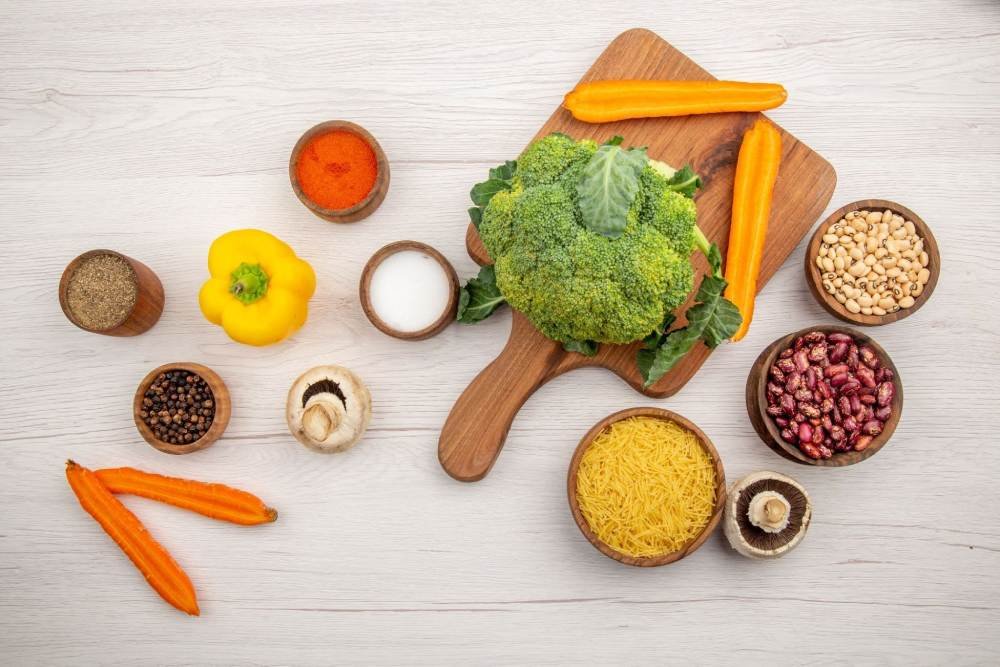
Best Foods to Include in a Prediabetes Diet
-
Whole Grains and Millets
Ragi, jowar, bajra, quinoa, and brown rice provide sustained energy and prevent glucose spikes.
-
High-Quality Protein
Dal, legumes, paneer, tofu, eggs, and lean meats support muscle health and satiety.
-
Healthy Fats
Flaxseeds, chia seeds, almonds, walnuts, and cold-pressed oils reduce inflammation.
-
Fiber-Rich Vegetables
Leafy greens, zucchini, broccoli, gourds, and carrots slow down glucose absorption.
-
Low Glycaemic Fruits
Guava, apples, pears, and berries are ideal for healthy eating for prediabetes.
Foods That Worsen Insulin Resistance
- Refined flour products (maida-based foods)
- Sugary drinks and packaged juices
- Ultra-processed snacks
- Deep-fried foods
These foods lead to rapid glucose spikes and should be minimized.
Meal Timing and Metabolic Health
Timing is as important as food quality. Long gaps between meals or erratic eating patterns can lead to
- Blood sugar fluctuations
- Overeating
- Reduced metabolic efficiency
Practical Guidelines
- Eat meals at consistent times
- Avoid skipping meals
- Include balanced snacks when needed
Sample Prediabetic Meal Plan (Updated & Practical)
- Breakfast: Vegetable millet upma (jowar/bajra) OR moong dal chilla with paneer
- Mid-Morning Snack:1 fruit (guava/apple/pear) + 5–6 soaked almonds
- Lunch: 2 multigrain rotis + dal + sabzi (lauki/tori/bhindi) + salad
- Evening Snack: Buttermilk / roasted chana / sprouts chaat
- Dinner: Clear vegetable soup OR mixed lentil soup + sautéed vegetables with paneer/tofu
This prediabetic meal plan ensures
- Better satiety
- Stable blood sugar levels
- Improved digestion
Why Consistency Outperforms Everything Else
Prediabetes reversal is not about perfection—it is about consistency. Following a prediabetes diet occasionally will not deliver results unless it becomes a long-term habit.
Small, consistent improvements in
- Food choices
- Activity levels
- Sleep patterns
…can collectively create significant metabolic changes.
Common Mistakes That Delay Progress
- Skipping meals or overeating later
- Low protein intake
- Relying on packaged “healthy” foods
- Following extreme or unsustainable diets
A structured, realistic approach always works better.

Conclusion
Prediabetes is a critical window of opportunity. It signals that the body needs intervention, not restriction. With the right prediabetes treatment approach—focused on balanced nutrition, movement, sleep, and stress management—it is possible to restore metabolic health naturally.
A well-planned prediabetes diet, combined with consistent lifestyle changes, not only helps manage blood sugar but also improves energy, digestion, and overall well-being. The goal is not temporary control, but long-term metabolic balance.
FAQ’s
The best prediabetic diet includes whole grains, lean protein, healthy fats, and fiber-rich foods. It focuses on stabilizing blood sugar while supporting long-term metabolic health.
Yes, prediabetes treatment through lifestyle changes like healthy eating for prediabetes, regular exercise, and weight management can effectively reverse or control the condition.
A prediabetic meal plan should include balanced meals with complex carbs, protein, and healthy fats, along with fiber to slow glucose absorption.
Diet is essential, but combining it with exercise improves insulin sensitivity and gives better results in managing blood sugar.
The best diet for borderline diabetes focuses on low glycaemic foods, balanced meals, and portion control to maintain stable blood sugar levels.
Transform your plate, energy, and life with guidance from a dedicated dietician and nutritionist who truly understands your body.