
Every few months, there seems to be a new diet trend taking over social media. One day people are talking about keto fasting, and the next day intermittent fasting is being called the ultimate solution for weight loss. At the same time, many health professionals still believe that balanced meals for weight loss remain the most realistic and sustainable approach for most people.
With so much conflicting information online, it becomes difficult to decide which method actually works and which one is right for your body. Some people lose weight quickly on keto diet and intermittent fasting, while others feel low on energy, experience digestive issues, or regain the weight later.
The reality is that no single diet works perfectly for everybody. Your lifestyle, medical history, stress levels, sleep quality, hormones, physical activity, and food preferences all play a major role in determining the ideal eating pattern, which is why consulting the best nutritionist in india for weight loss can help create a personalized and effective diet plan.
In this blog, we will break down
- What keto fasting really means
- How intermittent fasting works
- Benefits and drawbacks of keto diet with intermittent fasting
- Why balanced meals for weight loss may work better long term
- Which approach suits different body types and health goals
Understanding the Keto Diet
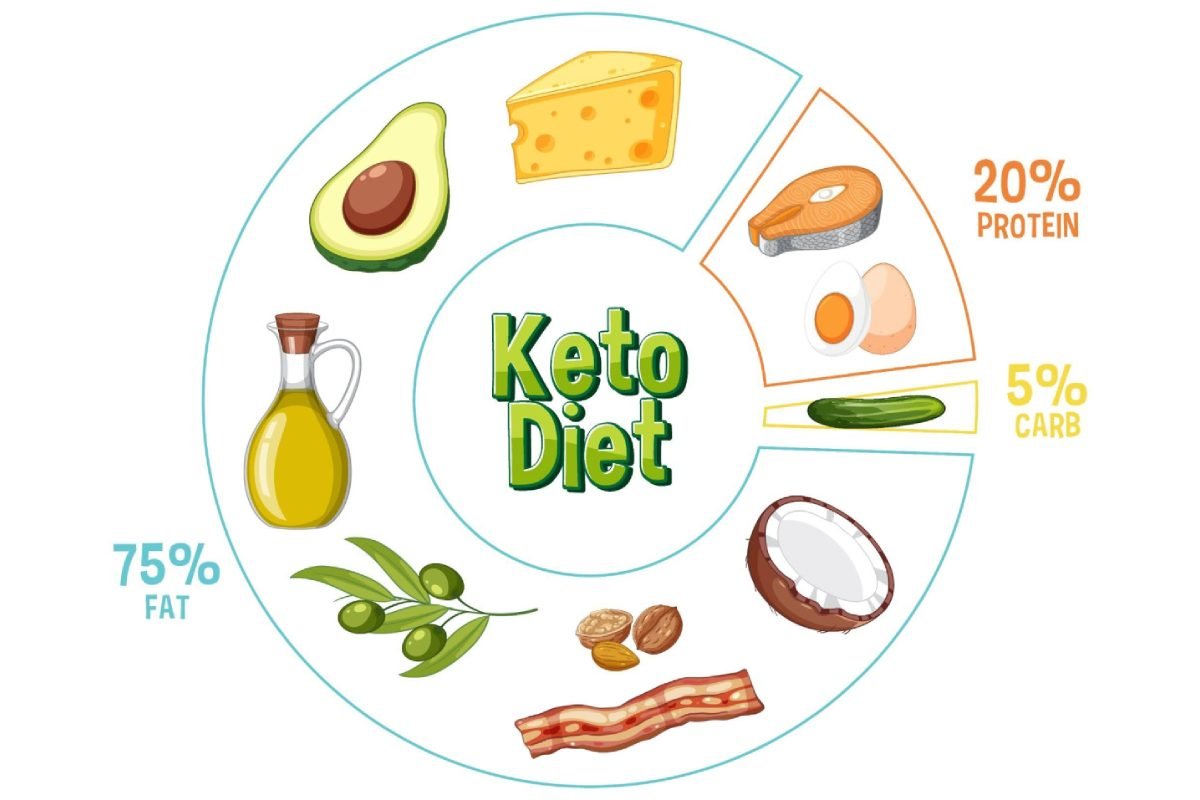
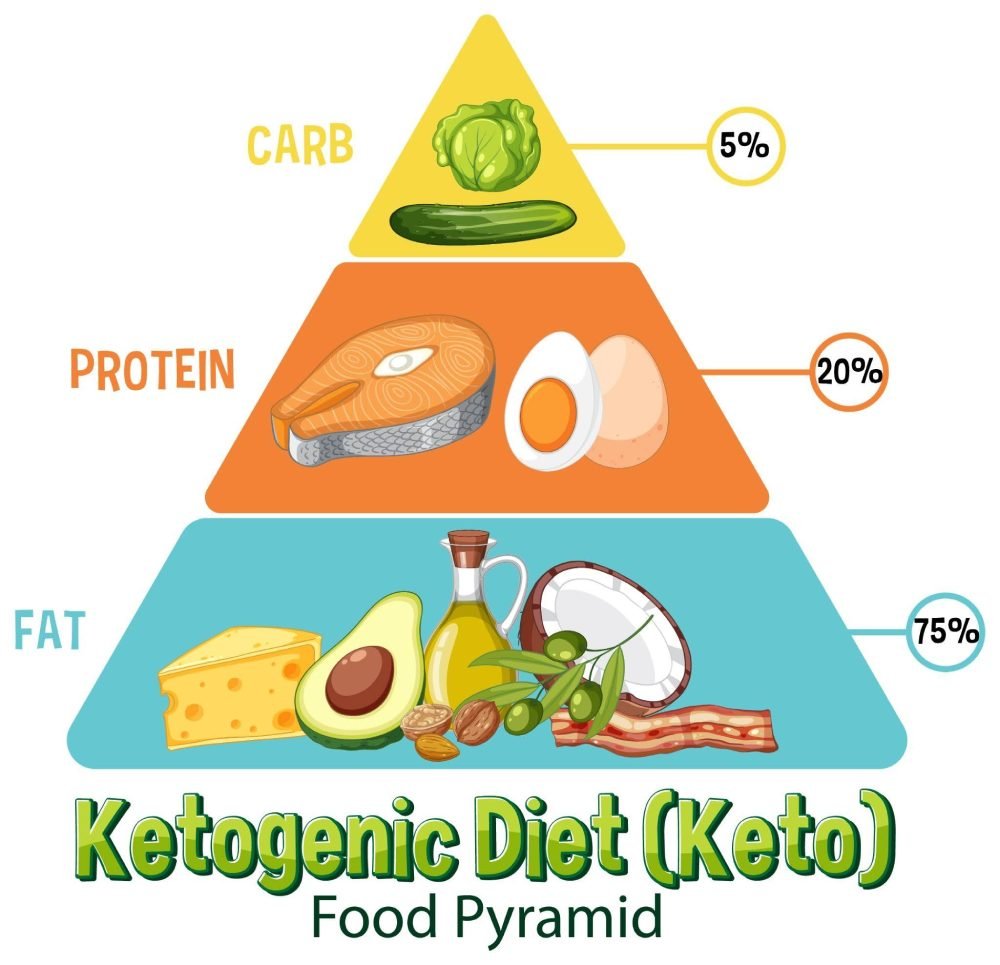
The ketogenic diet is a very low carbohydrate, high fat diet designed to shift the body into a metabolic state called ketosis. Normally, the body uses carbohydrates as its main source of fuel. However, when carbohydrate intake becomes extremely low, the body starts using fat for energy.
A typical keto diet includes
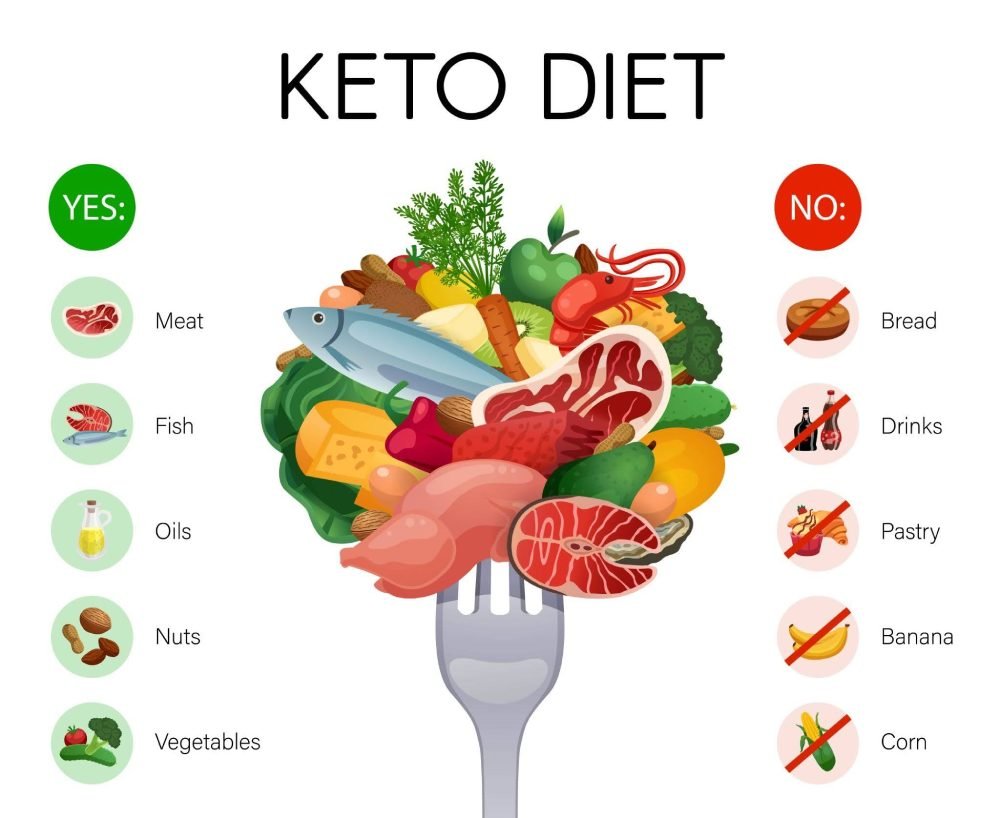
- Healthy fats like avocado, nuts, seeds, ghee, olive oil, and coconut oil
- Moderate protein intake
- Very low carbohydrate intake
- Minimal sugar and processed foods
Foods commonly avoided include
- Rice
- Bread
- Pasta
- Sugary foods
- Fruits high in sugar
- Processed snacks
Many people follow keto intermittent fasting together because both approaches aim to improve fat burning and reduce insulin spikes.

Benefits of Keto Fasting
Keto fasting has gained popularity because many individuals experience rapid initial weight loss. Some common benefits include:
-
Faster Initial Weight Loss
Reducing carbohydrate intake often lowers water retention in the body, which can lead to quick weight reduction during the first few weeks.
-
Better Appetite Control
High fat and protein meals may help improve satiety and reduce constant hunger or cravings.
-
Blood Sugar Regulation
Some individuals with insulin resistance or type 2 diabetes may notice improved blood sugar management under professional supervision.
-
Reduced Cravings
Eliminating sugar and refined foods often decreases emotional eating and frequent snacking.
-
Mental Focus
Some people report improved concentration and mental clarity once the body adapts to ketosis.
Risks and Challenges of Keto Diet and Fasting
Although keto diet and fasting can work for some individuals, it is not always easy to sustain long term.
-
Nutritional Deficiencies
Eliminating entire food groups may reduce fiber, vitamins, minerals, and antioxidants.
-
Low Energy Levels
Some people feel weak, dizzy, irritable, or fatigued, especially during the adjustment phase.
-
Digestive Issues
Constipation is common because many people consume less fiber while following keto diet with intermittent fasting.
-
Social Restrictions
Eating out, family meals, and social gatherings can become difficult with very restrictive diets.
-
Hormonal Impact
Aggressive calorie restriction and low carb intermittent fasting may negatively affect hormones in some women, especially if stress levels are already high.
What Is Intermittent Fasting?
Intermittent fasting is not necessarily a diet. Instead, it is an eating pattern that focuses on when you eat rather than what you eat.
Popular intermittent fasting methods include
- 16:8 fasting
- 14:10 fasting
- Alternate-day fasting
- One meal a day
In the 16:8 method, a person fasts for 16 hours and eats within an 8-hour eating window.
Many people combine keto intermittent fasting because low carbohydrate intake may make fasting easier by controlling hunger levels.
Benefits of Intermittent Fasting
-
Simpler Eating Schedule
Many people find it easier to manage fewer meals during the day.
-
Improved Insulin Sensitivity
Fasting periods may help the body become more efficient at managing blood sugar.
-
Reduced Mindless Snacking
Eating within a restricted time window often reduces unnecessary calorie intake.
-
Digestive Rest
Short fasting periods may help reduce bloating and improve digestion for some individuals.
-
Supports Fat Loss
When paired with healthy eating habits, intermittent fasting may help create a calorie deficit.
Problems With Low Carb Intermittent Fasting
While low carb intermittent fasting can be effective for some individuals, it may not suit everyone.
Potential challenges include
- Headaches
- Mood swings
- Low workout performance
- Sleep disturbances
- Increased stress hormones
- Muscle loss if protein intake is inadequate
People with diabetes, thyroid disorders, eating disorders, pregnancy, or chronic medical conditions should avoid experimenting without medical supervision.
Why Balanced Meals for Weight Loss Work Better Long Term
While restrictive diets can sometimes give quick results in the beginning, balanced meals for weight loss usually work better in real life because they are easier to follow consistently.
A balanced diet typically includes
- Lean protein
- Healthy fats
- Complex carbohydrates
- Fruits and vegetables
- Fiber-rich foods
- Proper hydration
Unlike keto diet and intermittent fasting, balanced eating does not completely eliminate major food groups. Instead, it focuses on portion control, nutrient density, meal timing, and consistency.
Benefits of Balanced Meals for Weight Loss
-
Sustainable Lifestyle
Balanced eating is easier to maintain socially, emotionally, and physically.
-
Better Nutritional Intake
The body receives a wider variety of vitamins, minerals, antioxidants, and fiber.
-
Improved Relationship With Food
There is less fear around eating carbohydrates or occasional treats.
-
Supports Muscle Preservation
Adequate protein combined with balanced nutrition helps preserve lean muscle mass.
-
Better Energy Levels
Most people experience more stable energy throughout the day.
Which Diet Is Best for You?
The answer depends on your goals, lifestyle, and health condition.
Keto Diet May Work Better If
- You have insulin resistance
- You respond well to lower carbohydrate intake
- You enjoy high protein and high fat foods
- You can maintain strict discipline
- You are under professional guidance
Intermittent Fasting May Work Better If
- You prefer structured meal timing
- You tend to snack excessively
- You want a simple eating routine
- You tolerate fasting comfortably
Balanced Meals for Weight Loss May Work Better If
- You want sustainable long-term results
- You have a busy social or work lifestyle
- You want flexibility with food choices
- You exercise regularly
- You want better hormonal and energy balance
Can You Combine Keto Diet and Intermittent Fasting?
Yes, many individuals combine keto diet and intermittent fasting together. Since ketosis may naturally suppress appetite, fasting can feel easier.
However, combining both approaches can also become extremely restrictive if not planned properly. Poorly designed keto fasting plans may lead to
- Fatigue
- Muscle loss
- Nutrient deficiencies
- Constipation
- Hormonal imbalance
- Poor workout recovery
This is why personalized nutrition matters.
The Importance of Personalization
There is no universal formula for weight loss. Two people following the exact same plan may experience completely different results.
Factors that influence your ideal nutrition strategy include
- Age
- Gender
- Sleep quality
- Stress levels
- Medical history
- Gut health
- Hormones
- Physical activity
- Body composition
This is why working with the best nutritionist in india for weight loss can make a major difference. A personalized plan built around your body, routine, stress levels, and health conditions will always work better than copying random online diet trends.
Final Thoughts
Keto intermittent fasting, keto fasting, and low carb intermittent fasting can provide benefits for certain individuals, especially when supervised properly. However, they are not magic solutions.
Fast weight loss does not always equal healthy or sustainable weight loss.
For most people, balanced meals for weight loss combined with proper sleep, stress management, hydration, physical activity, and consistency often produce better long-term results.
Instead of chasing extreme diets, focus on building habits that support your body realistically and sustainably.
At the end of the day, the best diet is not the strictest one. It is the one that fits your lifestyle, supports your health, and can be followed consistently without making you feel exhausted or restricted.
FAQ’s
Transform your plate, energy, and life with guidance from a dedicated dietician and nutritionist who truly understands your body.