

Getting a diagnosis of diabetes can be really scary. The first thing people usually want to know is what foods they should stop eating. I have seen a lot of people stop eating things like rice or fruits away because they think that is the only way to control their diabetes.
The truth is, managing diabetes is not usually about cutting out a lot of foods. It is more about making habits that you can keep up with in your daily life. This is where diabetes nutrition comes in and it is really important for diabetes management.
I recently met a patient at our clinic who had been managing diabetes for some time. He was struggling to keep his blood sugar levels stable despite trying various diets. He often felt fatigued, experienced frequent food cravings, and found it difficult to stay consistent with his meal plan. As a top nutritionist in India, I have seen that his experience closely reflects the challenges many people with diabetes face today.
Understanding The Clients Challenges
The client was a 52 year working professional. He had a busy schedule and not much time to take care of himself. The client had some concerns. These included
- Feeling tired all the time
- Feeling hungry. Having cravings for food
- Gaining weight around his stomach area
- Feeling very tired in the afternoons
- Having trouble keeping his blood sugar levels stable
Client Profile
- The client is 52 years old
- He weighs 86 kg
- His HbA1c is 8.1%
- He has a job that involves sitting for periods
- There is a history of diabetes, in his family
The client thought that if he just stopped eating carbohydrates his problems would be solved.. When we looked at what he was eating we identified several issues.
- The client would often skip breakfast.
- He would go for periods without eating.
- He would have tea and biscuits at work.
- He was not eating protein.
- He was not eating vegetables.
It became clear that the problem was not what the client was eating but also how the client was eating.
Why Diabetes Nutrition Matters
Diabetes nutrition is not about cutting out all the carbohydrates from your food. It is actually about finding a balance.
A good diabetes nutrition plan helps people with diabetes to do things like
- Maintain times for meals
- Eat more protein
- Eat more fiber
- Make habits that they can keep up with over time
- Take care of their health
Rather than chasing quick fixes, the goal is to make practical changes that can be followed long term.
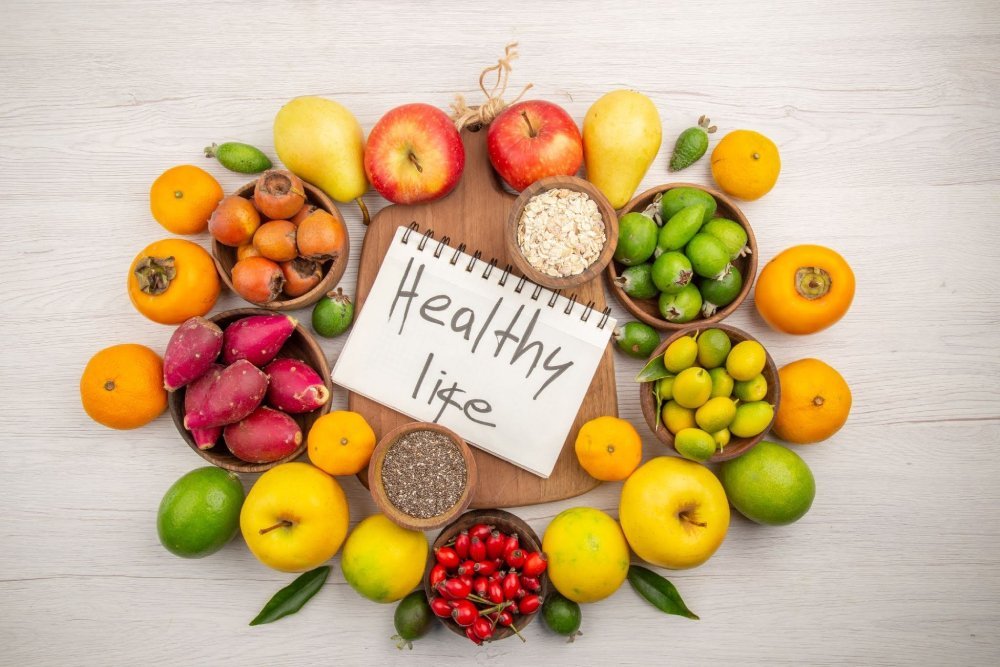
Creating a Personalized Diabetic Diet Plan
Every person is different. That is why a diet plan that works for one person may not work for another person.
For this client we made a diabetic diet plan that fit his work schedule and the way he lives.
We did not make a lot of rules for him to follow.
Instead we did these things
- Improve meal timings
- Ensuring adequate protein intake
- Increase intake of vegetables
- Redcuing unnecessary snacking
- Encouraging portion control
The objective was not perfection but consistency.
Because in reality, the best plan is not the strictest one, it’s the one that a person can follow comfortably and sustain over time.
A Practical Diabetes Meal Plan
To make the plan realistic, we recommended simple home-cooked meals rather than complicated recipes.
Breakfast
- Moong chilla with curd
OR
- Vegetable omelette with whole wheat toast
Starting the day with protein helped reduce cravings later in the day and supported better meal balance.
Mid-Morning Snack
- One fruit with a handful of nuts
Many people are surprised to learn that fruits can still be included in a balanced diabetes meal plan when portions are managed appropriately.
Lunch
- Phulkas
- Dal
- Vegetable sabzi
- Salad
- Paneer, fish, chicken, or tofu
This combination provided a balance of carbohydrates, protein, and fiber.
Evening Snack
- Roasted chana with buttermilk
OR
- Greek yogurt with seeds
This helped prevent excessive hunger before dinner.
Dinner
A lighter meal with vegetables and a protein source was encouraged to maintain consistency and avoid late-night overeating.
What is the best diet for diabetics?
The answer is simple. There is no one diet for diabetics.
The best diet for diabetics is one that
- Fits your food preferences
- Helps you reach your health goals
- Has balanced meals
- You can stick to in the term
Some people do well eating rice in moderation. Others prefer millets. The right approach depends on your lifestyle and nutritional needs.
Building a Balanced Diabetic Food Plan
A healthy diabetic food plan should focus on what you can eat, not what you can’t. Many people worry so much about what they shouldn’t eat that they forget to think about food that helps their body and makes them healthier.
Foods to Include Regularly
- Vegetables
- Protein rich foods
- Whole grains
- Legumes
- Fruits in small amounts
- Homemade meals
Foods to Limit
- Sugary foods
- Products made from flour
- Highly processed snacks
- Excess deep-fried foods
The goal is not to cut out everything you like but to make healthy choices most of the time. A balanced approach is usually easier to stick to. Works better, in the long run.
The Importance of a Prediabetes Food Plan
Lots of individuals find out they have elevated blood sugar levels before they even get diabetes. This is called prediabetes.
The good news is that lifestyle changes made during this phase can have a meaningful impact on long-term health. Following a structured prediabetes food plan can help individuals become more mindful of their eating habits and encourage positive lifestyle changes.
Some things you can do to help yourself include
- Increasing physical activity
- Making sure you eat protein
- Managing portion sizes
- Sleeping better
- Not sitting around all the time
- Eating more fiber rich foods
Early intervention often gives people the opportunity to take control of their health before complications develop.

The Outcome
After following the recommended changes consistently for several months, the client noticed several improvements.
He experienced
- Better energy levels throughout the day
- Reduced cravings
- Improved meal consistency
- Gradual weight management
- Greater confidence in managing his condition
Over time, his blood sugar management improved, and his HbA1c levels started moving closer to the normal range, alongside better energy levels and healthier daily habits.
Most importantly, he no longer felt like he was following a strict diet. Instead, he had developed habits that naturally became part of his daily routine.
One of the most rewarding aspects of the journey was seeing how small, realistic changes created sustainable results without making him feel deprived.
Why Professional Guidance Matters
With so much information available online, it is easy to become confused about what to eat and what to avoid. One article may recommend avoiding carbohydrates, while another promotes a completely different approach.
A personalized diabetes nutrition plan provides clarity, structure, and practical solutions that fit an individual’s lifestyle.
Working with a nutrition expert can help
- Create realistic goals
- Improve consistency
- Address lifestyle challenges
- Develop long-term healthy habits
- Build confidence around food choices
At Nutracy Lifestyle, Dr. Rohini Patil and her team focus on creating sustainable nutrition strategies that are practical and individualized. Many clients consider her among the best dietician because of her evidence-based and realistic approach to health and wellness.
Final Thoughts
Managing diabetes does not have to mean giving up all your favourite foods. Sustainable changes, balanced meals, and consistency often matter far more than strict restrictions.
A well-designed diabetes nutrition plan, supported by a practical diabetic diet plan, can help individuals build healthier habits and improve their overall quality of life.
Remember, progress does not happen overnight. Small changes done consistently can create meaningful results over time.
The journey towards better health is not about perfection—it is about making informed choices and creating habits that you can maintain for life.
FAQ’s
Transform your plate, energy, and life with guidance from a dedicated dietician and nutritionist who truly understands your body.