
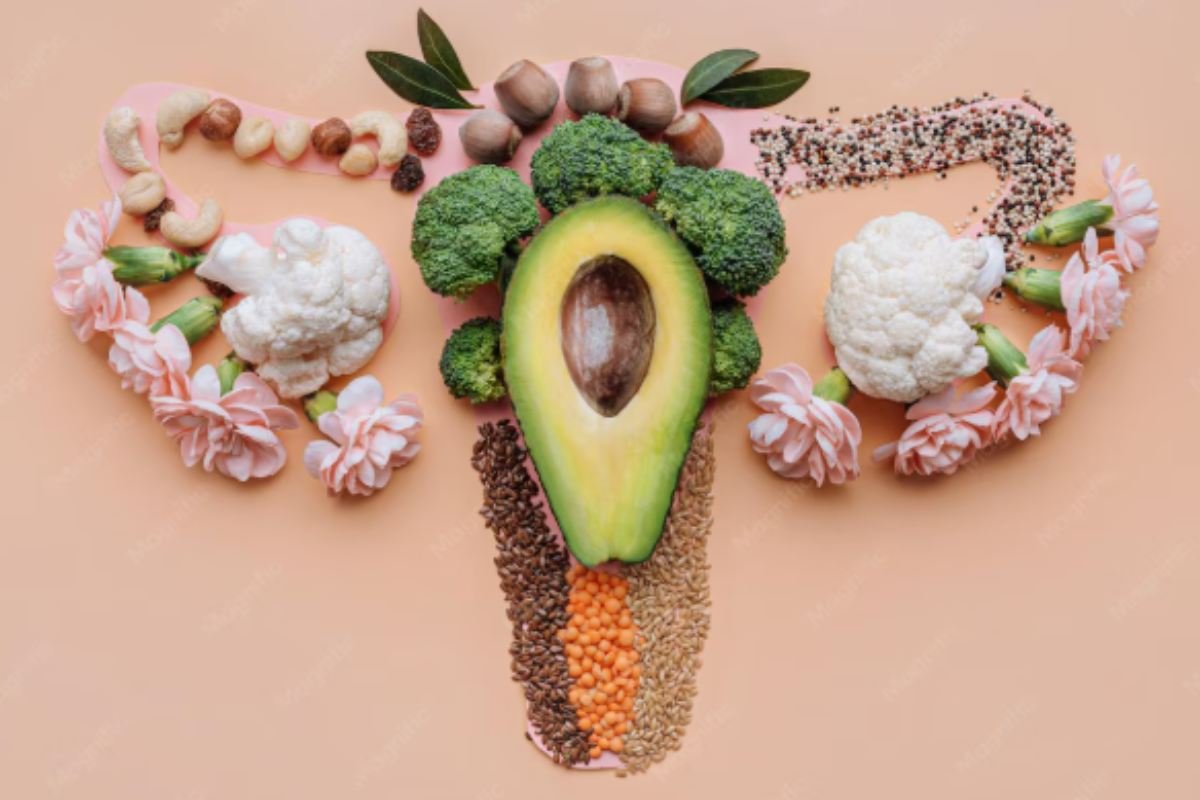
For many women, PCOS and belly fat seem to go hand in hand. Despite eating healthy, exercising regularly, and trying multiple diets, the stubborn fat around the abdomen often refuses to go away. This can be frustrating and emotionally draining, especially when your efforts don’t seem to reflect on the weighing scale.
If you’re searching for guidance from the best indian dietician in dubai, understanding the science behind PCOS is the first step toward achieving sustainable results. The good news is that belly fat in PCOS is manageable with the right combination of nutrition, movement, sleep, and stress management. Rather than relying on crash diets or quick fixes, focusing on long-term lifestyle habits can help you improve hormonal balance and reduce abdominal fat naturally.
What Is PCOS?
Polycystic Ovary Syndrome (PCOS) is one of the most common hormonal disorders affecting women of reproductive age. It is characterised by hormonal imbalances, irregular menstrual cycles, elevated androgen levels, and insulin resistance.
While PCOS affects every woman differently, common symptoms include
- Irregular or missed periods
- Weight gain
- Acne
- Excess facial or body hair
- Hair thinning
- Difficulty conceiving
- Fatigue
- Mood changes
Among these symptoms, pcos stomach fat is one of the biggest concerns because it not only affects body image but is also linked with an increased risk of diabetes, heart disease, and metabolic disorders
Why Does PCOS Cause Belly Fat?
One of the most common questions women ask is, “Why do I gain weight mainly around my stomach?”
The answer lies in the hormonal changes associated with PCOS.
1. Insulin Resistance
Around 70–80% of women with PCOS have some degree of insulin resistance.
Insulin is a hormone that helps move glucose from the bloodstream into the body’s cells for energy. When the body becomes resistant to insulin, it produces more of it to compensate. High insulin levels encourage the body to store excess fat, particularly around the abdomen.
This is one of the primary reasons behind belly fat in PCOS.
2. Hormonal Imbalance
Women with PCOS often have elevated androgen (male hormone) levels.
Higher androgen levels can
- Increase abdominal fat storage
- Reduce muscle mass
- Make weight loss more difficult
- Affect metabolism
This explains why many women experience pcos and lower belly fat, even when their overall body weight hasn’t increased significantly.
3. Chronic Inflammation
PCOS is associated with low-grade chronic inflammation.
Inflammation may contribute to
- Increased insulin resistance
- Hormonal imbalance
- Difficulty burning stored fat
- Increased cravings
Reducing inflammation through food and lifestyle changes can significantly improve overall health.
3. Stress and Cortisol
Modern lifestyles often involve poor sleep, high stress, and long working hours.
When stress levels remain elevated, the body produces more cortisol—the stress hormone.
Persistently high cortisol levels are associated with
- Increased appetite
- Sugar cravings
- Fat storage around the waist
- Difficulty losing weight
Managing stress is therefore just as important as following the right diet.

Why Belly Fat Is More Than Just a Cosmetic Concern
Many people think abdominal fat is only about appearance.
However, excess belly fat—especially visceral fat that surrounds internal organs—is metabolically active and can increase the risk of several health conditions.
Women with pcos belly weight are more likely to experience
- Type 2 diabetes
- High cholesterol
- Fatty liver
- Hypertension
- Heart disease
- Sleep disturbances
- Fertility issues
This is why addressing abdominal fat early is essential—not just for looking better but for improving long-term health.
Is Losing Belly Fat with PCOS Really Possible?
Absolutely.
Although losing belly fat with PCOS may take longer than it does for someone without hormonal imbalances, it is certainly achievable.
The key is to understand that PCOS management is different from conventional weight loss.
Instead of focusing only on reducing calories, the goal should be to
- Improve insulin sensitivity
- Reduce inflammation
- Build lean muscle
- Balance hormones
- Improve sleep quality
- Lower stress levels
When these factors improve, the body becomes more responsive to fat loss.
The Role of Nutrition in Managing PCOS
Food plays a powerful role in improving hormonal health.
Rather than following restrictive diets, women with PCOS benefit more from balanced, nutrient-dense meals that stabilise blood sugar levels and reduce inflammation.
A sustainable eating pattern is far more effective than skipping meals or eliminating entire food groups.
The Best PCOS Belly Fat Diet
A well-balanced pcos belly fat diet should include foods that nourish the body, support hormone balance, and improve insulin sensitivity.
Prioritise Protein
Including protein with every meal helps:
- Improve satiety
- Reduce cravings
- Maintain muscle mass
- Support metabolism
Good protein sources include
- Eggs
- Paneer
- Greek yogurt
- Chicken
- Fish
- Tofu
- Lentils
- Chickpeas
- Sprouts
Choose Smart Carbohydrates
- Carbohydrates are not the enemy.
- The quality and quantity matter.
Choose
- Millets
- Oats
- Brown rice
- Quinoa
- Sweet potatoes
- Whole wheat
- Fruits
- Legumes
Limit
- Sugary drinks
- White bread
- Refined flour
- Cakes
- Cookies
- Packaged snacks
Eating carbohydrates along with protein and healthy fats also helps slow down blood sugar spikes.
Don’t Fear Healthy Fats
Healthy fats support hormone production and reduce inflammation.
Include
- Nuts
- Seeds
- Avocados
- Olive oil
- Fatty fish
- Flaxseeds
- Chia seeds
These foods also improve satiety and reduce unnecessary snacking.
Fill Half Your Plate with Vegetables
Vegetables are naturally rich in fibre, antioxidants, vitamins, and minerals.
They support
- Better gut health
- Hormonal balance
- Improved digestion
- Reduced inflammation
- Weight management
Aim to include a variety of colourful vegetables every day to maximise nutrient intake.

Foods to Limit If You Want to Reduce Belly Fat with PCOS
While there is no single food that causes PCOS, certain dietary patterns can worsen insulin resistance and inflammation, making it harder to manage pcos belly weight.
Try to limit
- Sugar-sweetened beverages
- Refined flour products such as white bread, pastries, and biscuits
- Deep-fried foods
- Highly processed snacks
- Packaged fruit juices
- Excess sweets and desserts
- Processed meats
- Excess alcohol
This doesn’t mean you need to eliminate your favourite foods forever. Instead, focus on the 80:20 approach, where the majority of your meals are balanced and nutrient-rich, while allowing room for occasional treats in moderation.
Can Exercise Help Reduce Belly Fat in PCOS?
Absolutely. Exercise is one of the most effective tools for losing belly fat with PCOS, not because it burns calories alone, but because it improves insulin sensitivity, supports hormone regulation, and helps preserve lean muscle mass.
The best exercise routine is one that you can maintain consistently.
Aim for a combination of
- Strength Training
- Strength training helps build muscle, which in turn increases your resting metabolic rate and improves glucose utilisation.
Examples include
- Weight training
- Resistance bands
- Bodyweight exercises
- Pilates
Try to include strength training 2–3 times per week.
Cardiovascular Exercise
Activities such as
- Brisk walking
- Cycling
- Swimming
- Dancing
- Jogging
can improve heart health and support fat loss.
Aim for at least 150 minutes of moderate-intensity activity per week.
Daily Movement Matters
Even small lifestyle habits contribute to better health:
- Take the stairs instead of the lift.
- Walk after meals.
- Stretch during work breaks.
- Reduce prolonged sitting.
Remember, consistency always outweighs intensity.
Don’t Ignore Sleep and Stress
Many women focus only on diet and exercise while overlooking two equally important factors—sleep and stress.
Poor Sleep
Sleeping less than 7 hours regularly can
- Increase hunger hormones
- Trigger cravings
- Reduce insulin sensitivity
- Make fat loss more difficult
Aim for 7–9 hours of quality sleep each night.
Stress Management
Chronic stress increases cortisol, a hormone associated with pcos stomach fat and abdominal weight gain.
Simple practices that can help include
- Yoga
- Meditation
- Deep breathing
- Journaling
- Spending time outdoors
- Limiting screen time before bed
Managing stress doesn’t eliminate PCOS, but it supports better hormonal health and overall well-being.
Common Mistakes Women Make While Trying to Lose Belly Fat with PCOS
Many women unknowingly adopt habits that make progress more difficult.
Avoid these common mistakes
1. Skipping Meals
Skipping meals often leads to excessive hunger, overeating later in the day, and unstable blood sugar levels.
2. Following Crash Diets
Very low-calorie diets may lead to temporary weight loss, but they are difficult to sustain and can negatively impact metabolism.
3. Eating Too Little Protein
Protein is essential for satiety, muscle maintenance, and blood sugar balance.
4. Ignoring Strength Training
Relying only on cardio may not be enough. Building muscle is essential for improving insulin sensitivity and supporting long-term fat loss.
5. Expecting Quick Results
Managing PCOS and belly fat is a gradual process. Sustainable changes often produce better long-term outcomes than rapid weight loss.
A Sustainable Approach to Managing PCOS Belly Fat
Rather than chasing perfection, focus on building habits that you can maintain for life.
Some simple daily habits include
- Eat balanced meals with protein, fibre, and healthy fats.
- Include vegetables in at least two meals daily.
- Stay hydrated.
- Move your body every day.
- Prioritise sleep.
- Manage stress.
- Plan meals ahead of time.
- Avoid comparing your progress with others.
Remember, progress isn’t always reflected immediately on the weighing scale. Improvements in energy, digestion, menstrual regularity, and overall well-being are equally important signs that your body is responding positively.
Final Thoughts
Managing PCOS and belly fat can feel overwhelming, but it is important to remember that your body is not working against you—it simply needs the right support.
There is no magic food, supplement, or workout that will specifically target pcos and lower belly fat. Instead, lasting results come from improving insulin sensitivity, nourishing your body with wholesome foods, staying physically active, sleeping well, and managing stress consistently.
If you’re struggling with belly fat in PCOS, don’t lose hope. Small, sustainable changes practiced every day can make a significant difference over time. Instead of aiming for perfection, focus on progress—and celebrate every positive step towards better health.
Need Expert Guidance?
Every woman experiences PCOS differently, which is why a personalised nutrition plan can make all the difference.
At Nutracy Lifestyle by Dr. Rohini Patil, we believe in practical, sustainable, and evidence-based nutrition strategies tailored to your unique health goals. Whether you’re trying to manage pcos belly weight, improve hormonal balance, or work towards losing belly fat with PCOS, the right guidance can help you achieve long-term success.
FAQ’s
PCOS often leads to insulin resistance, hormonal imbalances, and chronic inflammation, all of which encourage fat storage around the abdomen. This is why belly fat in PCOS is a common concern. Improving insulin sensitivity through a balanced diet, regular exercise, and healthy lifestyle habits can help reduce abdominal fat over time.
Yes. Losing belly fat with PCOS is possible, but it usually requires a consistent approach rather than quick fixes. A combination of balanced nutrition, strength training, stress management, adequate sleep, and patience can gradually improve hormone balance and support healthy fat loss.
A healthy pcos belly fat diet should include lean proteins, whole grains, healthy fats, fruits, vegetables, and fibre-rich foods while limiting refined sugars and processed foods. Balanced meals help stabilise blood sugar levels, improve satiety, and support long-term weight management.
PCOS stomach fat can be difficult to lose because hormonal imbalances and insulin resistance make the body more likely to store fat around the abdomen. Addressing the root causes through sustainable lifestyle changes is more effective than relying on restrictive diets or excessive exercise.
Yes. Managing PCOS and lower belly fat doesn’t require extreme dieting. Focusing on portion control, balanced meals, regular physical activity, quality sleep, and stress management can lead to gradual and sustainable improvements while supporting your overall hormonal health.
Recent Posts
- The 90-Day Bridal Diet: What to Eat Before Your Wedding for Weight Loss, Energy and Glowing Skin
- Vegetarian Muscle-Building Diet: How to Hit Your Protein Goals Without Supplements
- How to Get Enough Protein on an Indian Vegetarian Diet
- Hypothyroidism and Weight Gain: Why Losing Weight Can Feel So Difficult
- Weight Loss Without Counting Calories: Can Portion Control Really Work?
Transform your plate, energy, and life with guidance from a dedicated dietician and nutritionist who truly understands your body.